Rex's Freight Notes
Shanghai DG: Why a Factory-Loaded Box May Be Restuffed
The supplier has loaded the container and closed the doors. Why would a Shanghai forwarder take it to a warehouse, unload it and load it again? It is a reasonable question. My first question comes earlier: who checked the factory’s packing and reporting arrangements before the empty container was collected?

Written by Rex Xu·Shanghai, China
Shanghai Dangerous Goods & International Freight Forwarding
Published
5 min read
Short Answer
A supplier’s ability to put cargo into a container does not establish that the packing inspection, photo records and electronic container packing certificate arrangements are in place. I check these before arranging collection. Where the conditions are not met, our agreed route may involve taking the packed container to a partner warehouse for actual unloading, restuffing and inspection. If loading has not started, we can first compare factory stuffing with delivery of packaged cargo to the warehouse.
Classification, packing and acceptance remain subject to the current edition of applicable regulations, carrier review and port requirements. Confirm before shipment.
Ask about the packing operation, not just the truck
For an overseas agent, “the factory will load” can sound like a complete origin plan. In practice, it leaves important questions unanswered: who will carry out the on-site packing inspection, and can that operation be connected to the relevant Shanghai reporting arrangements?
I ask whether the packing location and responsible unit have the necessary system registration and access arrangements, who records the real operation, who uploads the photographs, and who sends the EDI electronic container packing certificate. A forklift, loading bay or history of general-cargo exports does not answer those questions.
The inspector discussed here is a container packing inspector. This does not mean an MSA enforcement officer attends each shipment, and a remote-management system does not mean the physical inspection can be replaced by watching from elsewhere.
Restuffing means handling the cargo again
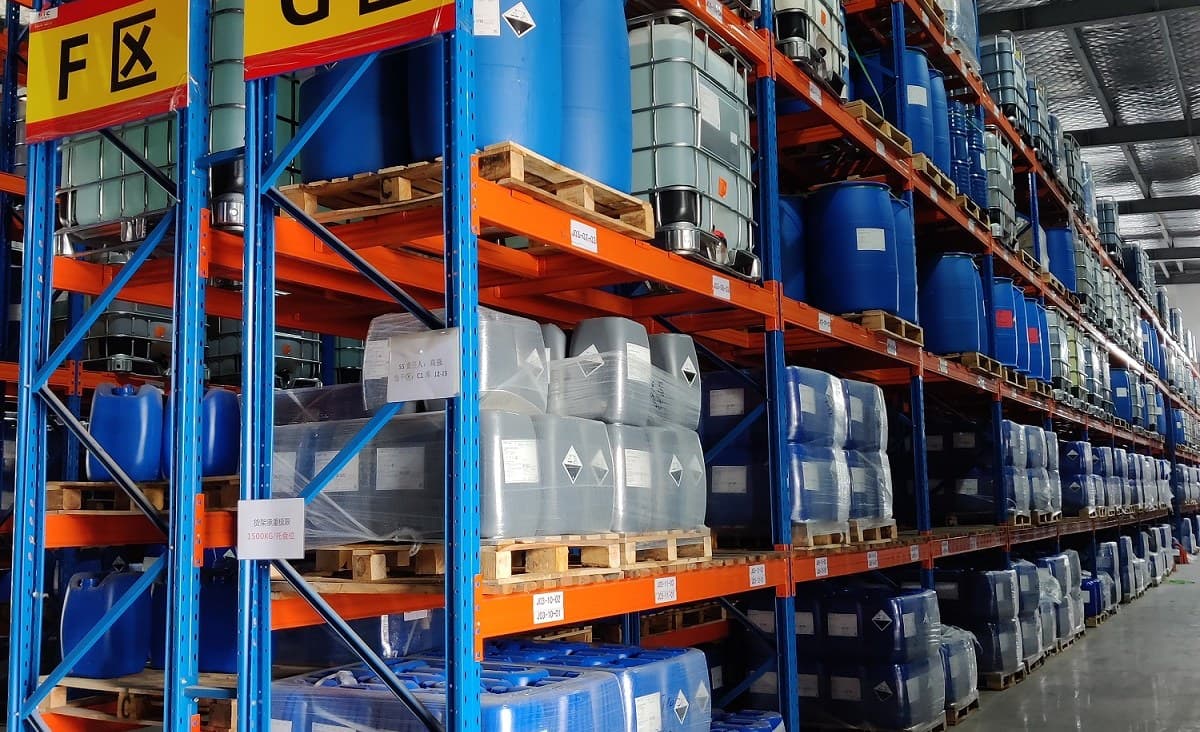
In the route I am describing, a factory-loaded container returns to a Shanghai partner warehouse. The cargo is physically unloaded, then restuffed and secured under the agreed inspection arrangements. The records correspond to that real operation.
This is not simply obtaining a missing stamp or taking a photograph through the doors. It is also different from transferring liquid from drums into IBCs. Restuffing concerns the container load; repacking or decanting concerns the cargo’s packaging.
The commercial packing list and the container packing certificate serve different purposes as well. The first describes the consignment; the second relates to the packing inspection. Sending the packing list does not settle how the actual packing will be supervised and recorded.
There is a decision to make before loading starts
A factory that can meet the relevant inspection and reporting conditions may be considered for factory stuffing. Location outside Shanghai alone does not establish that restuffing is necessary. I do not treat every factory-loaded DG container as a compulsory warehouse return.
If the conditions are not in place and the cargo has not yet been loaded into the shipping container, compare delivery of packaged cargo to the warehouse with factory stuffing followed by warehouse restuffing. The collection point, packages, shipment size, receiving arrangements and available time determine which route is workable.
Neither route is automatically cheaper. The useful comparison is the actual transport and handling scope. If the box is already loaded, tell me where and when that happened, its current condition and what records exist before committing a truck to the next movement.
You can keep your ocean booking
Some forwarding clients book directly with the shipping line and ask me to coordinate the Shanghai origin work: trucking, warehouse stuffing or restuffing, DG declaration and export customs clearance. An origin-service enquiry does not have to include our ocean booking.
That arrangement needs a clear handover. Provide the booking party, vessel and voyage, bill-of-lading reference and the declaration cutoff communicated by the booking side. Collection, packing records and the EDI certificate have to connect with the subsequent declaration work; truck availability alone is not the plan.
I coordinate the initial approach and key issues. Operations colleagues follow the daily documentation and milestones, with partner warehouses and transport providers handling the agreed physical work. Responsibilities should be clear before the supplier releases the cargo.
What to send before empty-container pickup
Start with the factory address, cargo identity, confirmed UN and hazard information where available, packaging, package count, gross weight and cargo-ready date. Send the SDS and packaging information you already have; mark unresolved points rather than guessing.
Then state whether the container is already loaded and whether the factory’s on-site inspector, registration, photo-upload and EDI reporting arrangements have been confirmed. If another party holds the ocean booking, include its declaration deadline and the origin tasks you want us to handle.
These are practical planning questions, not a request for the supplier to learn the reporting software before contacting me. The aim is to choose the handling route while there is still a choice, rather than discovering a second packing operation after the first has finished.
Questions I get asked about this
- Must every factory-loaded DG container return to a Shanghai warehouse?
- No. Check the shipment’s actual inspection, registration and reporting conditions. Do not decide solely from the factory’s location.
- Can photographs alone replace physical restuffing?
- Not in the warehouse-restuffing route described here. It involves real unloading, restuffing and inspection, with records of the operation actually performed.
- Can packaged cargo go to the warehouse before factory loading?
- That route can be assessed before loading starts. Suitability depends on the cargo, transport, receiving conditions and schedule.
- Can you provide origin services against our own ocean booking?
- Yes, subject to the agreed scope and shipment review. Share the booking details and declaration cutoff so the handovers can be planned.
Sources and their scope
- Shanghai MSA: container packing certificate questions (2021)
Background on on-site inspection, photo records and EDI reporting. Historical account and interface instructions are not a current software guide.
- Regulations on vessel carriage of dangerous goods, effective 2025
Supports the on-site inspection and subsequent packing-certificate relationship. It does not establish a universal requirement to return factory-loaded containers to our partner warehouse.
Related
Services
Send me the shipment details
Cargo, UN number if you have it, quantity, packaging, destination and the required arrival date. If the classification is unsettled, say so and attach the MSDS.