Cargo · Shanghai Port
Energy Storage Shipping from Shanghai
A capacity figure and a destination are not enough to plan BESS shipping. Align the transport unit, complete shipping weight, classification evidence and receiving arrangements before committing to the route.
The short version
Capacity is not weight, and a container-shaped system is not automatically accepted as an ordinary container.

Written by Rex Xu·Shanghai, China
Shanghai Dangerous Goods & International Freight Forwarding Expert
Published
Updated
Short Answer
Establish whether equipment will be packed inside a freight container or a containerised storage system will travel as the transport unit itself. Supply its configuration, dimensions, complete shipping weight, lifting points, centre of gravity and supporting documents. Confirm the carrier and handling conditions at origin, any transshipment port and destination.
Classification, packing and acceptance remain subject to the current edition of applicable regulations, carrier review and port requirements. Confirm before shipment.
What actually ships in this category?
Cabinets, separate modules and container-integrated systems need different planning inputs. Equipment packed inside a container requires checks on internal space, door clearance, loading limits and securing. An integrated transport unit needs its own structural, identification and applicable inspection information.
Classification must describe the actual battery configuration and shipping arrangement. An UN3536 case is not evidence that every storage cabinet uses that entry. Align specifications, SDS, test evidence and the classification basis.
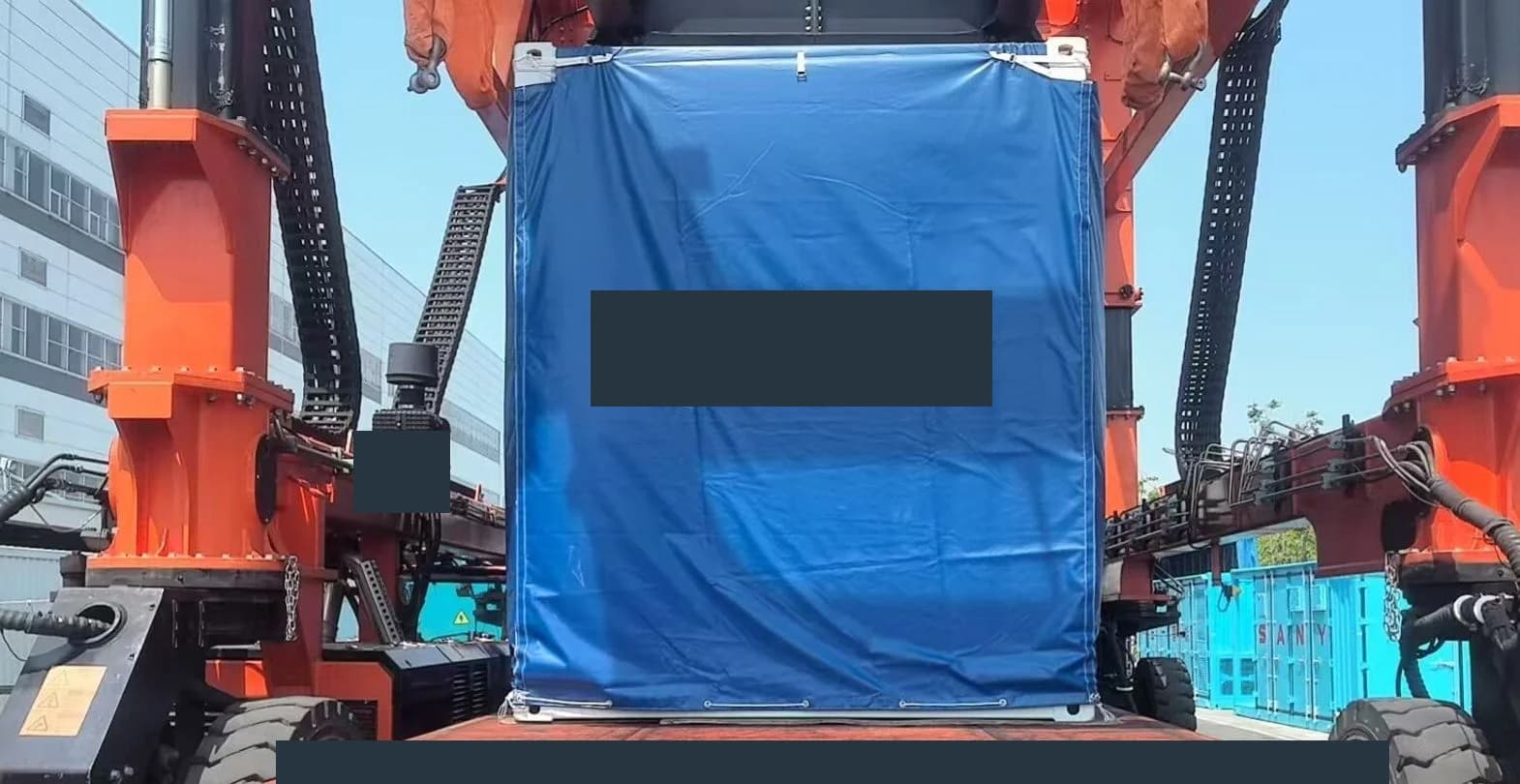
In the published Shanghai–Karachi case, two 20HQ units each had 4.18MWh capacity and an actual shipping weight of 37.7 tonnes including the enclosure. Both reached Karachi. These are shipment facts—not a capacity-to-weight formula or a general acceptance standard.
What information should we check?
These are review fields, not default classifications. Establish the applicable classification from product evidence and current rules; confirm carrier acceptance separately.
| Field | Review point | Note |
|---|---|---|
| Shipping arrangement | Equipment inside a container / integrated transport unit | Establish the unit before checking container type, structure, identification and applicable inspection evidence. |
| Actual shipping weight | Including enclosure and accompanying equipment | Distinguish equipment net weight from complete shipping weight; do not estimate it from MWh. |
| Handling inputs | Dimensions, centre of gravity, lifting and securing points | Match manufacturer information to the actual operation and applicable load limits. |
| Classification | Configuration-specific evidence | A product name does not assign a UN number, and a battery test summary does not approve an entire system for shipment. |
| Route acceptance | Vessel, terminals and receiving parties | Pairing, weight and collection conditions require shipment-specific confirmation. This site does not promise a universal 45-tonne acceptance threshold. |
Review fields, not an approval
What information and documents should we prepare?
This is our review and coordination checklist, not a universal statutory document list. The applicable items and responsible parties depend on the actual cargo, route and service.
- Equipment and transport-unit specificationsRequired
Dimensions, capacity, quantity, actual weight, structure and photos; supplement container documents for the proposed arrangement.
- Battery configuration and available supporting documentsRequired
Start with available SDS, classification and test evidence and identify gaps. Review test reports and summaries separately where applicable.
- Lifting, securing and loading informationConditional
Send existing manufacturer drawings and instructions first. The relevant operators confirm the working plan; a completed plan is not an initial enquiry prerequisite.
- Route, cargo-ready date and destination handoverRequired
Identify who handles transshipment, terminal collection and any onward move.
Should this go FCL or LCL?
Full container
Equipment packed into a freight container and an integrated BESS container are different arrangements. Standard containers, special equipment or other methods depend on actual dimensions, weight, structure and service conditions. Large storage systems do not automatically require flat racks.
Consolidation
Smaller equipment or separate modules can be assessed for LCL against battery configuration, packing, unit weight and actual service availability. An integrated system travelling as its own transport unit should not be quoted as ordinary loose LCL cargo.
What actually goes wrong?
These are review points to resolve before dispatch, not findings about a particular shipment.
01Estimating weight from capacity
Structure and auxiliary equipment can differ at the same capacity. Use the actual complete shipping weight for quotation, lifting and acceptance.
02Treating one port’s weight experience as route approval
An origin lifting arrangement does not establish vessel, transshipment or destination acceptance. Confirm the relevant conditions separately.
03Planning loading but not destination collection
Confirm receiving, collection timing and onward responsibilities before dispatch, instead of finding an arrangement after arrival.
04Reusing another model’s classification and documents
Match the actual configuration, transport unit and document coverage. A model or structural change requires review of the earlier plan.
What does the carrier actually review?
Carrier review is not guaranteed acceptance
We bring equipment parameters, classification evidence and handling needs into one shipment brief for the relevant parties. Pairing, weight limits and receiving windows depend on the actual service. Carrier acceptance does not replace the necessary equipment and operational safety checks.
Establish the transport unit
Distinguish packed equipment from an integrated containerised system and agree the weight basis.
Match classification evidence
Connect the battery configuration and model to supporting documents; identify gaps.
Confirm route and handovers
Check origin, transshipment and destination handling, lifting, securing and collection responsibilities.
Coordinate execution
Progress the agreed booking and operations, track actual milestones and review changed conditions.
Questions I get asked most often
- Do all 5MWh systems have a similar shipping weight?
- Do not quote on that assumption. Use the specific model’s actual weight including its enclosure, auxiliary equipment and accompanying items.
- Is anything below 45 tonnes accepted from Shanghai?
- That cannot be promised. The transport unit, structure, lifting, vessel and ports all need confirmation. One weight figure cannot approve the whole route.
- Must 20HQ storage units always ship in pairs?
- A requirement on one service is not a universal rule. Confirm any pairing condition with the actual carrier and relevant operators for the quantity and sailing proposed.
- Does BESS shipping always take longer than ordinary containers?
- Not necessarily. Review preparation, cargo readiness, handling windows, sailing, transshipment and destination handover together. The sea voyage remains part of the delivery schedule.
UN3536 · 2 × 20HQ · SHANGHAI → KARACHI
37.7 tonnes each. Now in Karachi.
Two 20HQ energy storage units, each rated at 4.18MWh with an actual shipping gross mass of 37.7 tonnes including the enclosure. This UN3536 shipment travelled as a pair and has arrived at Karachi port.
Read the BESS shipment case →References and further reading
These sources provide transport, document or regulatory context within the scope noted for each link. They do not establish shipment classification, an operational plan or carrier acceptance.
Related services
Shanghai Dangerous Goods Shipping
Class 3/4/5/6/8/9 cargo from Shanghai, with DG documentation and declaration handled end to end.
Shanghai Dangerous Goods FCL Shipping
Container planning, class segregation, lashing and securing, DG booking and port coordination.
Lithium Battery DG Shipping from Shanghai | Service
Match documents and packing to the actual battery, then confirm FCL or LCL acceptance.
Energy Storage Logistics from Shanghai
Connect equipment, documents, handling and route acceptance in one shipment plan.
REAL EXPERIENCE · YOUR NEXT STEP
BESS shipping starts with weight and handling details.
Case: 37.7 tonnes and 4.18 MWh per unit, arrived at Karachi →Start with these details
- Model, unit count, dimensions and capacity
- Actual transport gross weight per unit including enclosure; state whether verified
- Destination, cargo-ready date and lifting/pickup arrangements
Complete the review step by step
Technical, battery and lifting documents follow according to the equipment and route. Carrier acceptance and handling at both ports require confirmation.
Details still incomplete? Start by email; quotation and acceptance require further review.