Shanghai Port · Service
Shanghai Dangerous Goods Shipping
Dangerous goods shipping from Shanghai for Class 3, 4, 5, 6, 8 and 9 cargo. This page covers what we handle, what we actually do for you, and what information we need before we can quote.
The short version
Shanghai dangerous goods shipping is a documentation problem before it is a transport problem — the classification, the declaration and the paperwork all have to match what physically goes in the container.
- Class 3
- Class 4
- Class 5
- Class 6
- Class 8
- Class 9
- IMO Cargo

What does this service actually cover?
Dangerous goods shipping is not a separate product from freight forwarding — it is freight forwarding with an extra layer of documentation, segregation and carrier review that has to be planned for rather than reacted to.
The cargo types we see most often out of Shanghai are Class 3 flammable liquids, Class 8 corrosives, Class 9 lithium batteries and assorted chemical and pharmaceutical shipments. Each has its own documentation pattern and its own failure points.
What matters operationally is not the class label itself. It is whether the paperwork matches what is physically in the container, and whether that is decided before the truck arrives rather than after.
What cargo do you actually handle?
- Class 3
- Flammable liquids and related cargo.
- Class 4
- Confirm the actual division and transport description; a product name alone is not sufficient.
- Class 5
- Oxidizing substances and organic peroxides.
- Class 6
- Different divisions and products require specific acceptance review; this is not blanket coverage of every Class 6 substance.
- Class 8
- Corrosive substances.
- Class 9
- Miscellaneous dangerous goods, including lithium batteries.
- IMO Cargo
- Cargo carried under IMO rules where the substance meets the relevant criteria.
What we can take off your desk
- Booking
- DG document coordination, where applicable
- DG filings, where applicable and commissioned
- Export customs within the agreed scope
- Trucking, if commissioned
- Partner warehousing, if commissioned
- Container loading and securing
- Shipping line coordination
How does a shipment actually move?
These are coordination stages, not a rule that every activity waits for the previous one. Documents, loading and customs may progress in parallel.
Send the cargo details
Cargo name and form, UN number if you have it, quantity, packaging type, gross weight and destination port. If the classification is unclear, say so and send the MSDS — an unconfirmed classification is easier to fix than a wrong one.
Review and identify gaps
I check the cargo against what the shipment actually needs: documentation, packaging suitability, segregation constraints, and whether the planned routing makes sense for that cargo type.
Booking and carrier submission
Submit the cargo and packaging information for carrier review and request space on the proposed sailing. A completed Shanghai maritime DG filing record is not a prerequisite for this enquiry or booking request.
Declaration, customs and loading
After space is arranged, operations colleagues coordinate loading, the applicable maritime and ship-agent DG filings, and export customs. Track the documents, responses and cut-offs for each step separately.
VGM, loading and sailing confirmation
Complete VGM submission as required for the shipment, then track gate-in, vessel loading and actual departure. Handle the bill of lading according to the document type, actual shipment status and carrier process.
What information and documents should we prepare?
Start with cargo, packaging, quantities, destination, departure window and available supporting documents. Later filing records do not have to be ready for your first enquiry.
- MSDS / SDSRequired
Send the available valid version matching the actual product; flag any changes to the product or its documentation.
- Available classification informationConditional
UN number, proper shipping name, class and applicable packing group. Mark unconfirmed details as pending; do not guess.
- Packing list and gross weightRequired
- Packaging suitability evidenceConditional
Confirm the applicable packaging documents; do not confuse them with the later container packing certificate.
- UN38.3 evidenceConditional
For applicable lithium-battery shipments. Our formal battery FCL checklist requests the test report; a summary is a different document.
- Non-DG goods clearance sheetConditional
Needed when the same consignment mixes dangerous and non-dangerous goods.
Not sure what you need?
Are stuffing and direct-to-vessel charges duplicates?
In our quotations they cover different handover stages. First establish where the container is packed, where it is delivered and who arranges the later shipside transfer.
- Warehouse stuffing package
- Charged by the operating warehouse for empty-container pickup, stuffing and delivery to the agreed terminal or DG warehouse handover point. It is more than stuffing labour, but does not automatically include every later direct-loading operation.
- Direct-to-vessel / truck-to-vessel transfer
- This covers the later movement of the packed container to shipside and the handover for vessel loading. In the Waigaoqiao arrangement I describe, it is collected and paid on the customer’s behalf, separate from stuffing. These are alternative names for that service, not grounds to add the same charge twice.
What is different about this port?
Waigaoqiao and Yangshan: different operating arrangements
Waigaoqiao and Yangshan are not interchangeable in practice. Which one suits a shipment depends on sailing availability, the cargo type, and what the consolidation setup requires.
Earlier DG filing does not mean earlier gate-in
In my Shanghai operations, the DG declaration cut-off is typically 3–4 working days before scheduled departure, usually earlier than the cut-off used for general cargo. This is a practical planning reference, not a universal statutory deadline. Confirm the notice for the actual shipment with the ship agent and filing operator, especially around holidays or schedule changes.
Gate-in and direct loading follow the berthing plan
The terminal handling the vessel’s actual Shanghai call processes DG gate-in or direct-to-vessel requests against its confirmed berthing plan. In my operations, these windows are generally later than general-cargo receiving and closer to berthing. Dispatch against the terminal-confirmed receiving or direct-loading time. The declaration cut-off is not a delivery window, and a completed filing does not itself authorise immediate gate-in.
Questions I get asked most often
- What information do you need to quote a dangerous goods shipment?
- Cargo name and physical form, UN number and proper shipping name if known, class and packing group if known, packaging type, quantity, gross weight, volume, origin port, destination port and intended ETD. An MSDS helps even when the classification is settled.
- Is an MSDS enough to book a dangerous goods shipment?
- It is the starting point rather than the finish. The declaration, the packaging suitability and the loading plan all have to line up with what is in the container, and the carrier reviews the shipment against its own current requirements.
- Can you tell me whether my cargo will be accepted before I book?
- I can give you a preliminary view based on the cargo description and current requirements. Final dangerous goods acceptance is made by the carrier after document review, and it cannot be guaranteed in advance.
- Do you handle both FCL and LCL dangerous goods?
- Yes. The two are planned differently — FCL centres on stowage and segregation inside the container, LCL centres on compatibility with other consolidated cargo. The LCL case is usually the harder one.
- How much lead time should I allow?
- It depends on the cargo, the documentation state and the sailing. Carrier review is part of DG booking. Missing evidence, classification questions, cargo changes and space availability can all extend the preparation time. Tell me the ETD and I will tell you whether the timeline is realistic.
If the paperwork is incomplete, do not book yet.
Whether a shipment can move is decided by the cargo, the packing, the documents and the carrier rules — not by the sailing schedule.
Before you book
Classification, packing and acceptance remain subject to the current edition of applicable regulations, carrier review and port requirements. Final dangerous goods acceptance is made by the carrier after document review — submitting a request through this website is a preliminary assessment, not a booking confirmation.
Related cargo
Lithium Battery Shipping from Shanghai
Battery identity, condition, shipping configuration and matching test evidence.
Chemical Shipping from Shanghai
Separate sea-transport classification from hazardous-chemical export inspection.
Energy Storage Shipping from Shanghai
Transport units, complete shipping weight and route acceptance—not capacity-based assumptions.
8 UN · MIXED DG FCL · MANZANILLO
Eight UN numbers. One container.
This shipment combined dangerous goods with eight different UN numbers in one container, from Shanghai port to Manzanillo, Mexico. The cargo has arrived at the destination port.
Read the mixed-load DG case →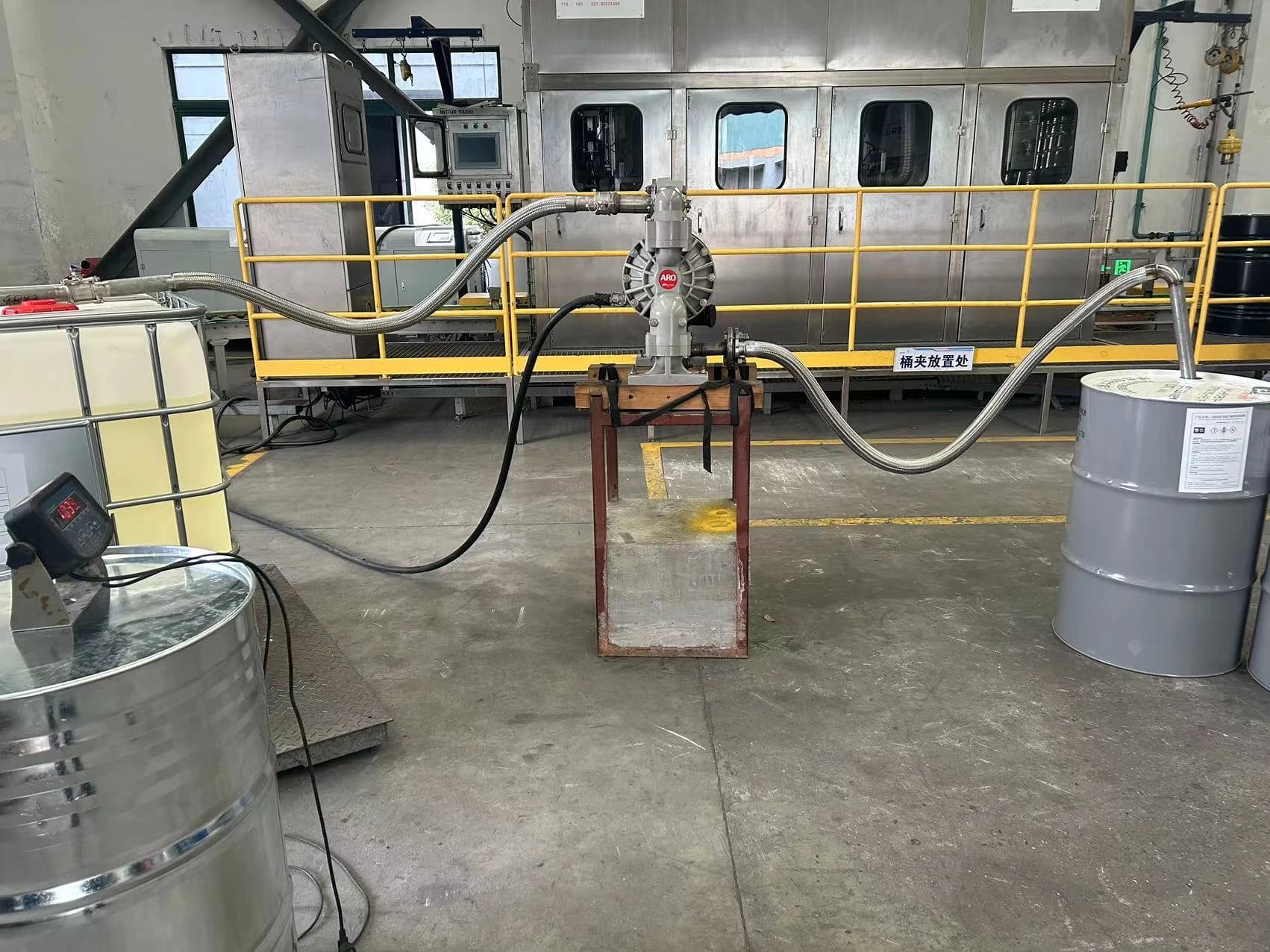
SERVICE SHOWCASE · DG REPACKING
When packaging needs change, the service should respond.
Some shipments need more than ocean freight. Before dispatch, the shipper may need a different packaging format. I help coordinate those requirements, considering the proposed repacking work alongside the onward transport plan.
Explore repacking support →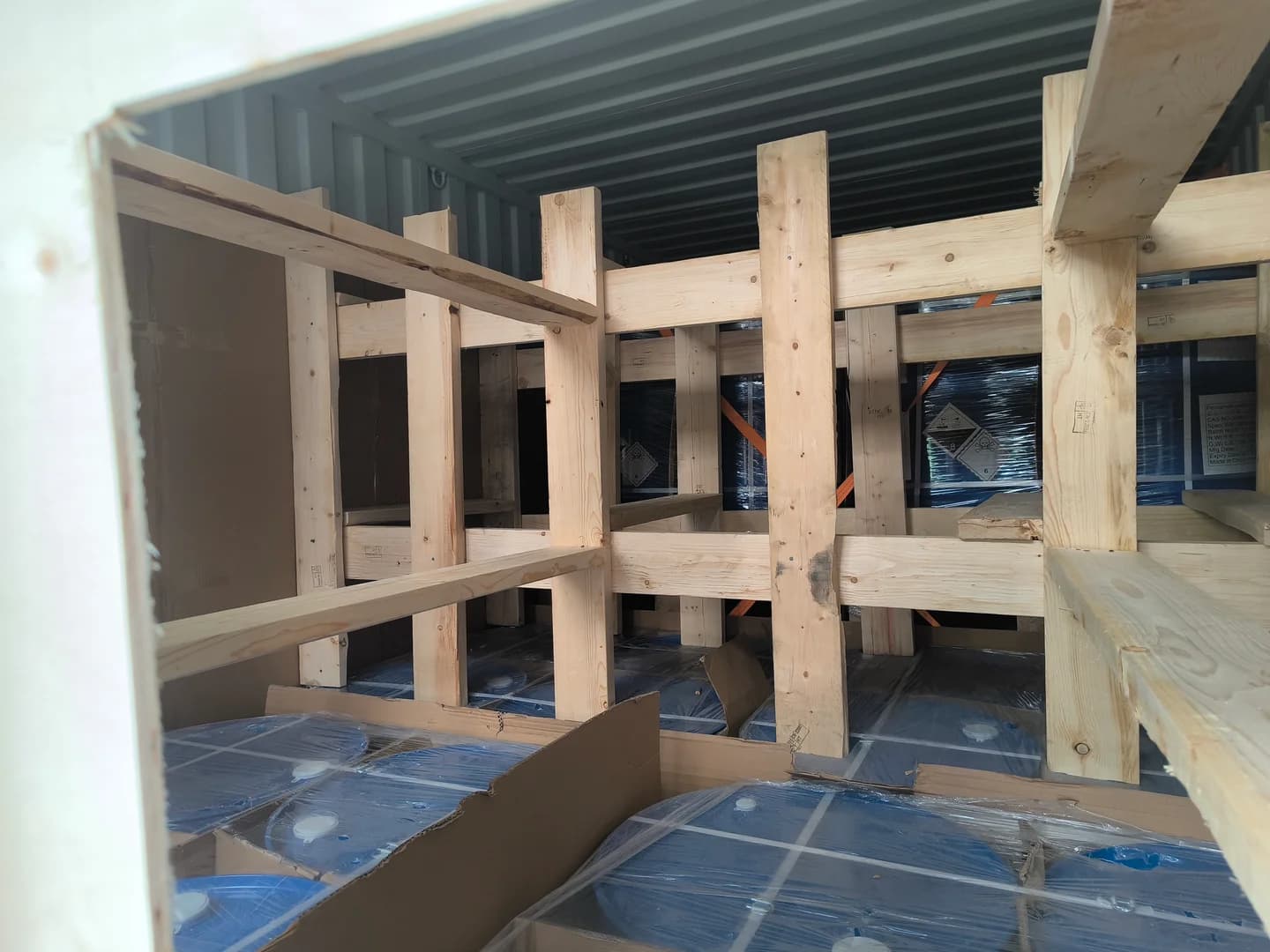
DG loading & securing
Plan the securing around the cargo and its route.
IBCs, drums and crates bring different loading questions. An onward rail movement adds another set of requirements to discuss. I review the cargo and requested scope with you, then coordinate loading and securing arrangements with partner warehouses.
Explore loading and securing support →Tell me your UN number and destination
Cargo name, UN number if you have it, quantity, packaging and destination port. If the classification is unclear, say so and send the MSDS.