Cargo · Shanghai Port
Electric Vehicle Shipping from Shanghai
New-energy vehicle exports need a clear description of the propulsion system and shipping condition. Battery-electric vehicles, hybrids and separately shipped batteries should not share a copied transport description.
The short version
Review propulsion, battery configuration and condition before classification and loading; complete vehicles need more than an identity check.

Written by Rex Xu·Shanghai, China
Shanghai Dangerous Goods & International Freight Forwarding Expert
Published
Updated
Short Answer
Send the vehicle model, propulsion type, battery information, condition, quantity and destination. Explain whether the shipment contains complete vehicles, parts or separate batteries. Review transport classification, securing, export requirements and destination admission independently. Do not apply a hybrid case’s UN number to every new-energy vehicle.
Classification, packing and acceptance remain subject to the current edition of applicable regulations, carrier review and port requirements. Confirm before shipment.
What actually ships in this category?
A battery-electric vehicle and a hybrid with a combustion engine have different propulsion systems. Identify the battery chemistry, installation and actual condition. Describe the vehicles, spare parts and removed batteries in their real shipping configuration.
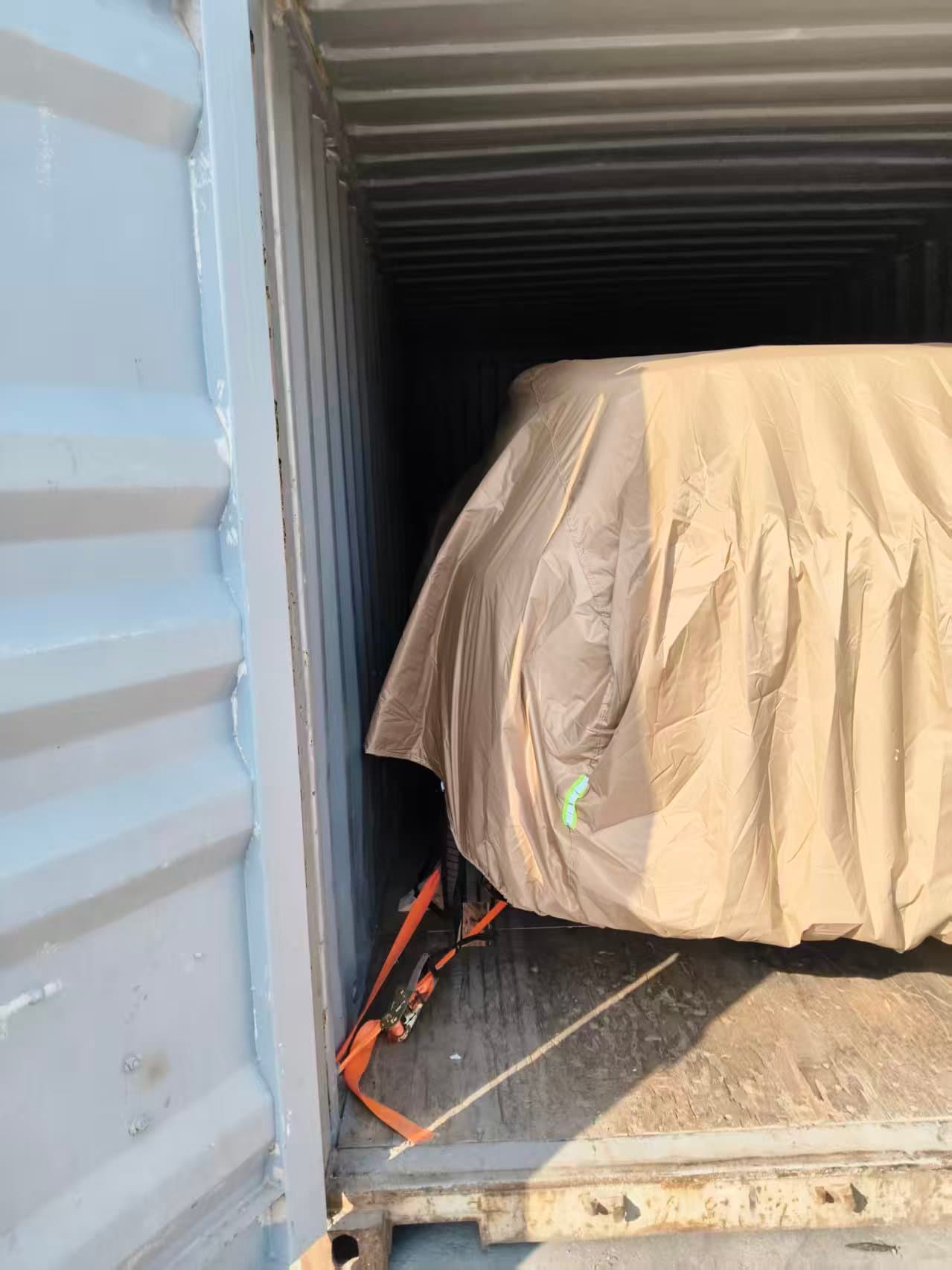
Complete vehicles are cargo too. Both vehicles and parts need technical and loading reviews; a complete vehicle is not merely a commercial-document exercise, and battery removal does not automatically make the remaining shipment non-DG.
The published ZEEKR 8X exhibition-car case covered Shanghai to Los Angeles port, excluding US clearance and delivery to the exhibition. It demonstrates a particular booking and operational scope, not a transferable classification or transit-time promise.
What information should we check?
These are review fields, not default classifications. Establish the applicable classification from product evidence and current rules; confirm carrier acceptance separately.
| Field | Review point | Note |
|---|---|---|
| Propulsion and identity | Battery-electric / hybrid and actual model | Use manufacturer information, not a marketing label or exterior appearance alone. |
| Battery arrangement | Chemistry, installation and additional batteries | Describe removed batteries separately and check the applicable entries and supporting documents. |
| Condition | New, used, exhibition or abnormal status | Disclose accident damage, defects, recalls and other relevant conditions before planning transport. |
| Loading inputs | Dimensions, weight, ground clearance and securing points | Confirm loading access and manufacturer instructions for the actual equipment; do not promise capacity from a model name. |
| Transport and admission | Current rules, carrier and import/export requirements | An old UN entry, test document or earlier acceptance does not establish approval for this shipment. |
Review fields, not an approval
What information and documents should we prepare?
This is our review and coordination checklist, not a universal statutory document list. The applicable items and responsible parties depend on the actual cargo, route and service.
- Vehicle model, propulsion, battery configuration and conditionRequired
Identify new or used status, exhibition use and any damage; provide relevant technical information.
- Quantity, dimensions, weights, photos and destinationRequired
Include spare parts, separate batteries and the transport stages you want us to handle.
- Applicable SDS, test reports and test summariesConditional
Review the actual vehicle and battery arrangement; installation does not mean all supporting evidence can be omitted.
- Vehicle identification and export/import supporting recordsConditional
Arrange these by stage with the responsible parties. Share VIN and other identifiers through a non-public channel.
Should this go FCL or LCL?
Full container
Containerised vehicle shipping needs checks on actual dimensions, weight, loading access and securing. Ro-ro is a different transport mode, not another name for FCL. Any alternative service and our role in it need separate confirmation.
Consolidation
Parts or small shipments can be assessed against actual service conditions. Identify batteries, airbags and other relevant components instead of assuming all vehicle parts are general cargo. We do not make a blanket commitment to accept complete vehicles by LCL.
What actually goes wrong?
These are review points to resolve before dispatch, not findings about a particular shipment.
01Reusing an old vehicle classification
Vehicle entries change. Match the current requirements to the actual propulsion and configuration instead of copying a previous declaration.
02Omitting additional batteries or spares
List accompanying items so the loading plan and documentation describe the actual shipment.
03Disclosing abnormal condition at loading
Damage or other exceptional status may affect the available plan. Explain it when enquiring.
04Setting a delivery date without a full schedule
Exhibition and delivery deadlines require allowance for preparation, sailings, transshipment and destination handover—not just days at sea.
What does the carrier actually review?
Carrier review is not guaranteed acceptance
Complete-vehicle review includes propulsion, battery and vehicle condition, classification and loading arrangements, not merely VIN and commercial records. Confirm applicable charge-state information, documents and handling conditions. Export procedures, import permission and local delivery stay with the agreed responsible parties; they are not automatically all included.
Define cargo and scope
Identify vehicles, parts and separate batteries, the destination and the stages to be entrusted.
Match the transport evidence
Review current entries, product documents and actual condition, resolving information gaps.
Confirm loading and acceptance
Agree loading access, securing and service conditions, reviewing any subsequent changes.
Track actual milestones
Coordinate the agreed booking, applicable filings and loading, with sailing, arrival and handover updates within scope.
Questions I get asked most often
- Does every new-energy vehicle ship under UN3166?
- No single entry covers the whole market category. Distinguish battery-electric and hybrid propulsion and check the actual configuration against current requirements. The case-study entry describes that confirmed shipment only.
- Does an installed battery remove the need to review UN38.3 evidence?
- Do not assume that. Check applicable requirements for the battery and vehicle arrangement. A test report, test summary and carrier acceptance are different matters.
- Can a removed battery and vehicle use one vague cargo description?
- Describe the vehicle, separate battery and other components accurately and review their transport requirements. Removal does not automatically eliminate every hazard.
- Do you handle destination clearance and vehicle delivery?
- Only where separately agreed. The ZEEKR 8X case covered Shanghai to Los Angeles port; other parties arranged US clearance and exhibition delivery.
References and further reading
These sources provide transport, document or regulatory context within the scope noted for each link. They do not establish shipment classification, an operational plan or carrier acceptance.
REAL EXPERIENCE · YOUR NEXT STEP
Exhibition vehicles need a clear timeline and scope.
Case: ZEEKR 8X exhibition vehicle, Shanghai to Los Angeles port →Start with these details
- Vehicle model, powertrain, count, dimensions and weight
- Cargo-ready date, destination and exhibition delivery deadline
- Requested transport scope, condition checks and confidentiality needs
Complete the review step by step
Transport documents, vehicle condition and loading arrangements are confirmed for each shipment. The historical case covered Shanghai to Los Angeles port, not US clearance or exhibition delivery; it is not a future transit-time promise.
Details still incomplete? Start by email; quotation and acceptance require further review.