SHANGHAI ORIGIN SERVICES · PARTNER WAREHOUSES
Plan the securing around the cargo and its route.
IBCs, drums and crates bring different loading questions. An onward rail movement adds another set of requirements to discuss. I review the cargo and requested scope with you, then coordinate loading and securing arrangements with partner warehouses.
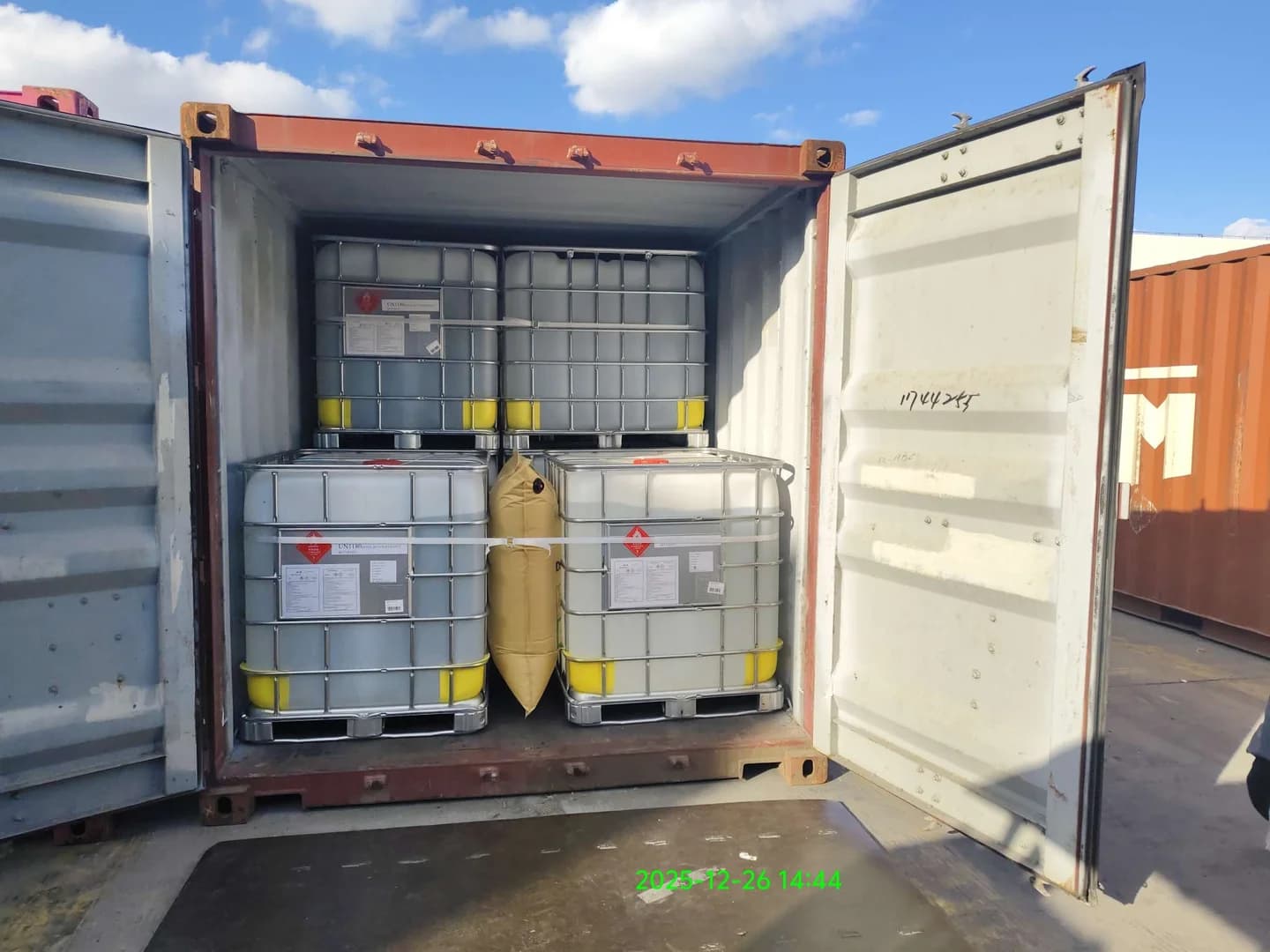
There is more to loading than fitting the cargo inside.
Door clearance, gaps, weight distribution and the records needed for onward transport belong in the discussion before delivery to the warehouse. The objective is an agreed operating scope for your cargo, with the work and responsibilities explained.
What support does your shipment need?
IBC and drum layouts
Review package dimensions, quantity and weight alongside internal space, door clearance and tiering conditions. The 20-IBC case shows why the final row deserves separate attention.
Timber blocking and bracing
Coordinate end-wall, side or door-end support according to the cargo, gaps and onward requirements. Crates and drums do not share a single default arrangement.
Lashing and restraint
Consider restraints together with the packaging, pallets and support. The method and materials depend on the specific cargo and operating conditions.
Dunnage airbags
Airbags are one available option, not a universal gap filler. Review spacing, contact surfaces and transport requirements before selecting their use.
Tiered and partial loads
Package height, shape and quantity affect the arrangement. Confirm transport stacking suitability before discussing tiers, partial loads and support at different positions.
Photographs and handover records
Agree what to record before, during and after loading. Photographs support communication; they do not replace actual inspections or required packing certificates.
Look at the details behind the service.
These photographs come from different historical jobs. They illustrate airbags, bracing, tiered loading and blocking, not a single shipment sequence or a design to copy for every cargo.
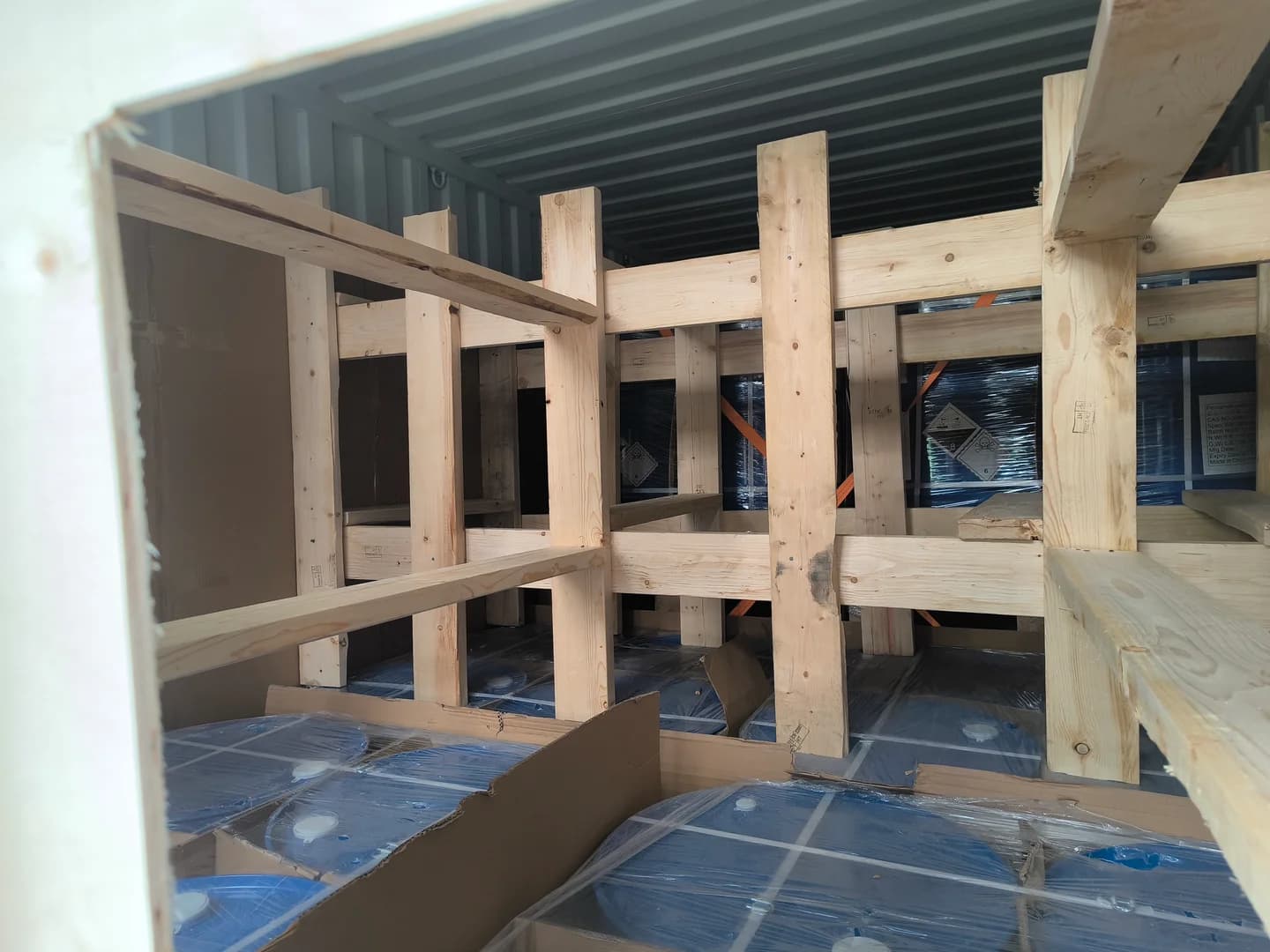
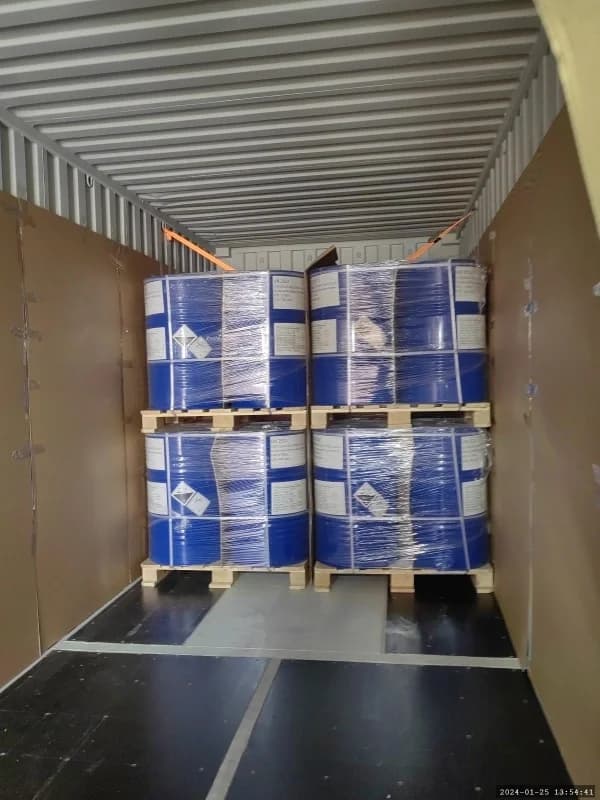
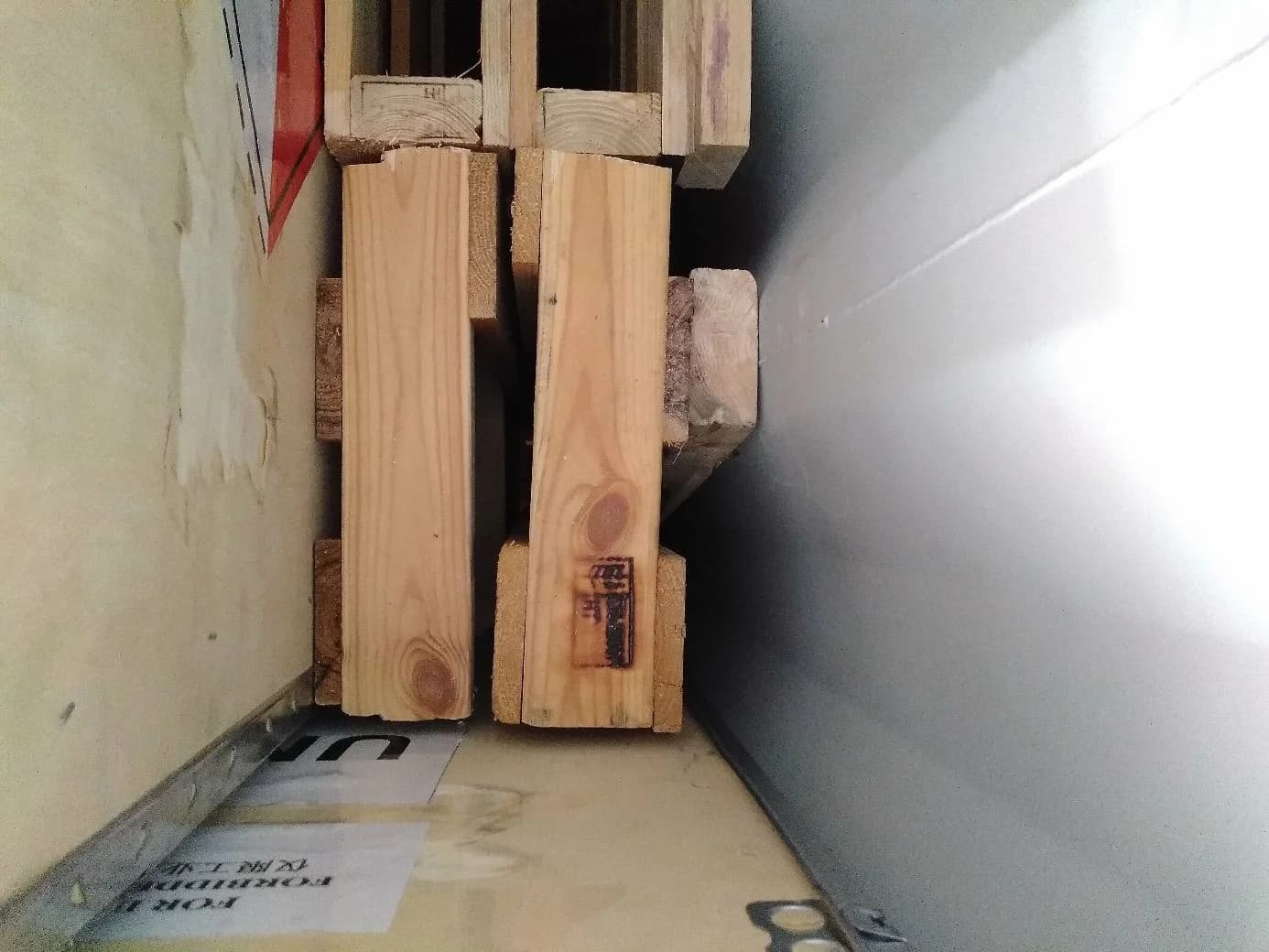
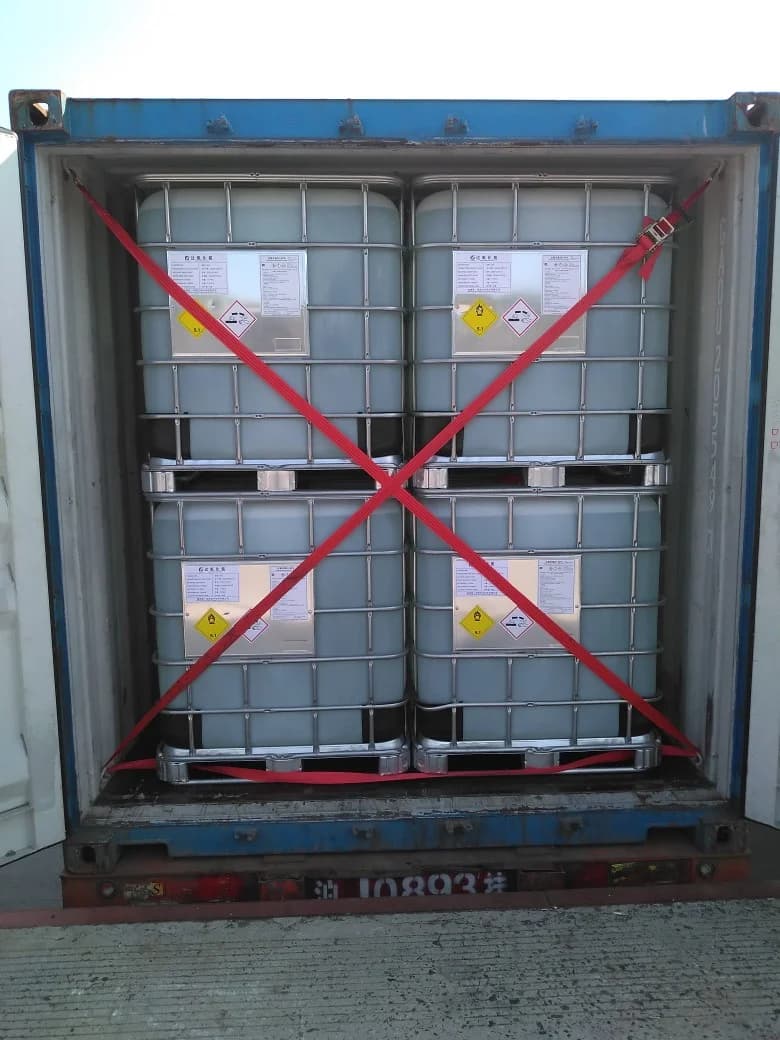
20 IBCs / 20GP
20 IBCs in a 20GP. Start with the final row.
When a customer asks whether 20 IBCs will fit, I ask for their dimensions first. In this loading experience, the 1200 × 1000mm footprints needed the right arrangement. The row beside the doors needed particular attention to height.
Read the door-end loading case →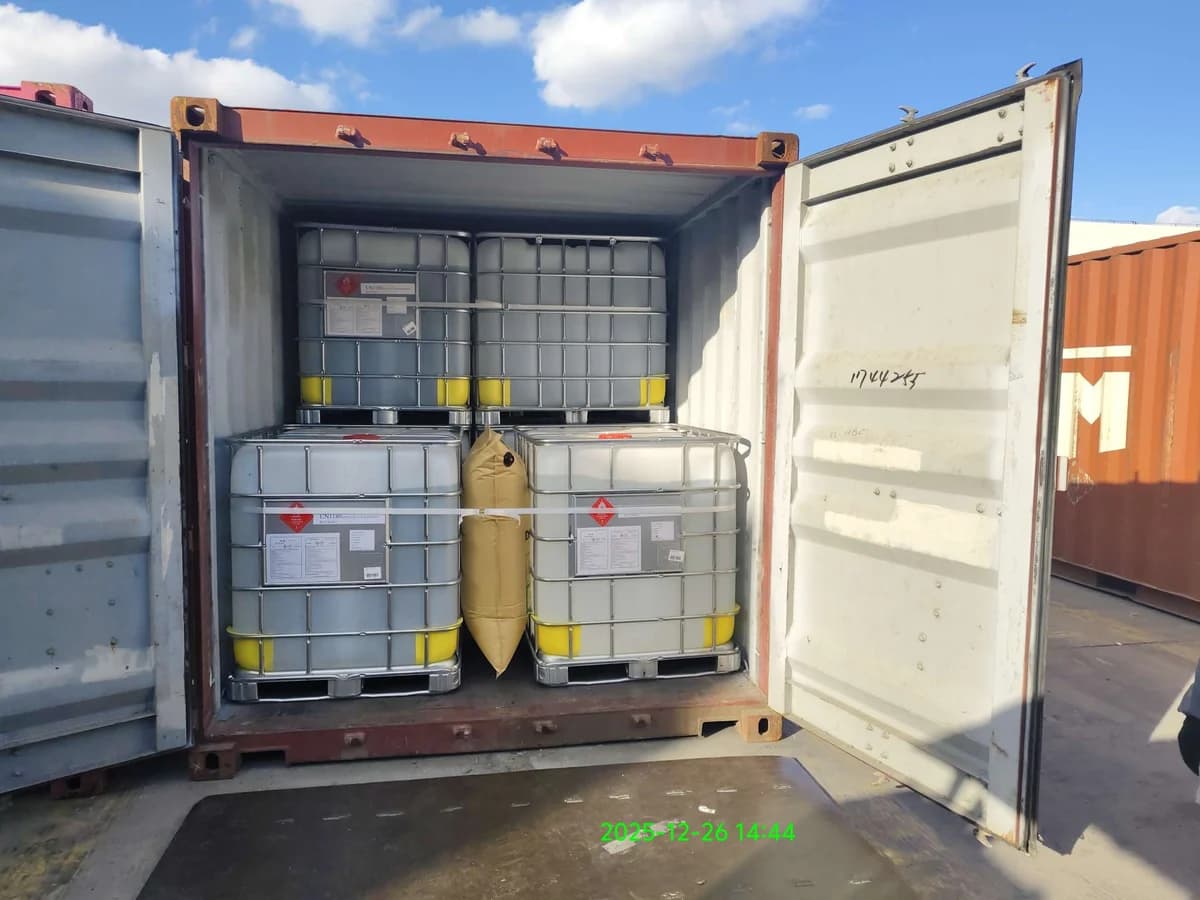
18 IBCs · SHANGHAI → ROTTERDAM
18 IBCs: European-Style Loading & Securing Case Study
For this 18-IBC dangerous goods shipment, my responsibility covered booking, partner-warehouse stuffing and securing, DG declaration, export customs and ocean freight. The cargo arrived in Rotterdam and was delivered, with no adverse feedback received. The photographs show how the load layout, void treatment and timber bracing were brought together for this particular order.
See the loading details →Onward rail transport? Raise it before loading in Shanghai.
For cargo travelling via Vladivostok and onward by rail in Russia, preparation needs to consider more than the sea leg. Confirm the applicable securing and photographic requirements with the booking party and onward carrier before coordinating origin work.
If the arrangement does not meet the receiving requirements, reworking it at destination can bring handling, storage and delay costs. Early discussion helps identify differences between the requirements and the proposed plan; it is not a promise of rail acceptance.
Industry context: FESCO describes rail acceptance and re-fastening services in Vladivostok.
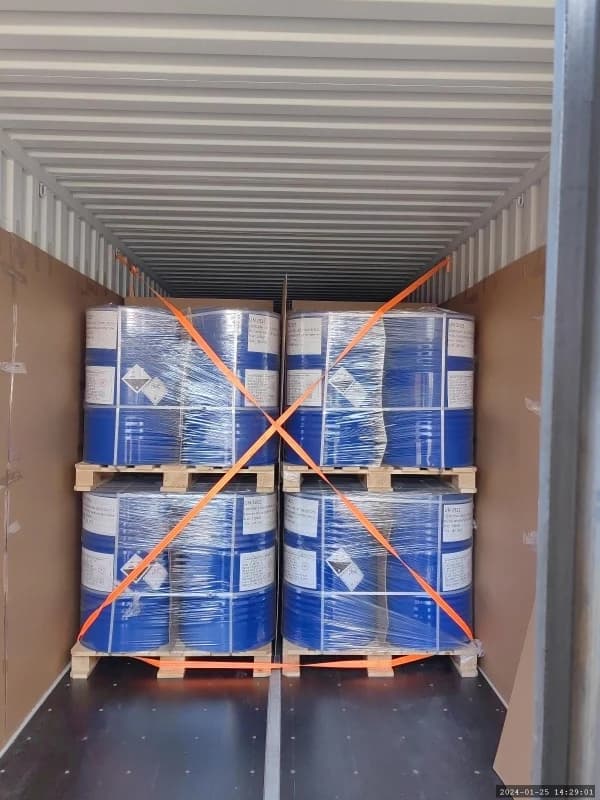
Shanghai → Vladivostok → St Petersburg
The port is not the finish line: plan securing for Russia’s rail leg.
My scope covered booking, stuffing and securing in Shanghai, sea transport to Vladivostok and onward rail to St Petersburg. The cargo transferred successfully to rail, and I received no request for re-securing. The practical lesson is to consider the onward rail requirements before the container is packed at origin.
See the origin preparation →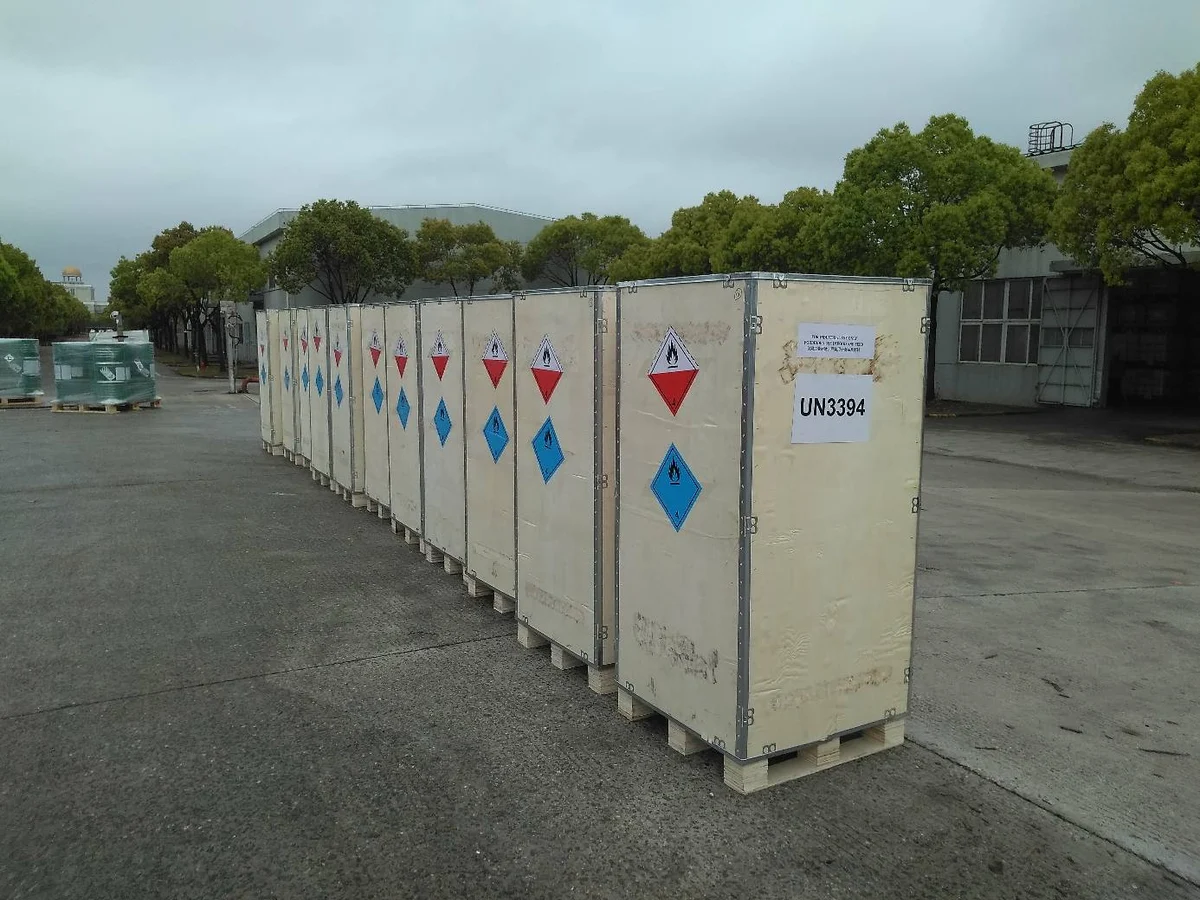
UN3394 · 4.2 (4.3) · SHANGHAI → VLADIVOSTOK
UN3394 to Russia: Crated Cargo Loading & Securing
This crated UN3394 cargo had a primary hazard of Division 4.2 and a subsidiary hazard of Division 4.3. I arranged Shanghai origin handling and the sea leg to Vladivostok; the consignee arranged onward rail. The cargo arrived, transferred to rail and completed delivery. I received no request for re-securing or other adverse feedback.
See the securing details →Already have a carrier booking?
Forwarders with their own booking can discuss warehouse stuffing with DG declaration and customs coordination, or trucking with those origin services. Confirm the work, handover points, responsibilities and charges for the specific instruction. Booking the ocean freight through us is not a prerequisite for discussing origin support.
Factory packing conditions missing? Review trucking and warehouse restuffing →Define the job before arranging the work.
- 01
Review cargo and packaging
Share product information, photographs, external package dimensions, quantity and gross weight per unit. Include known UN details and available transport documents.
- 02
Check the route and requirements
Explain onward rail or road movements and any securing, photograph or handover requirements supplied by the booking party or consignee.
- 03
Agree the scope and records
Confirm the location, proposed work and materials, timing and feedback arrangements. Review changes before proceeding.
Start with your packaging and route.
We can discuss the preparation your shipment needs, then define loading, securing and Shanghai origin support. If you have a booking, explain which parts you want us to handle.
Discuss loading requirements- 01External package dimensions with units, plus photographs
- 02Quantity, gross weight per unit and total gross weight
- 03Destination and onward sea, rail or road movements
- 04Existing securing instructions, timing and requested scope