Cargo · Shanghai Port
Fragrance and Flavor Shipping from Shanghai
Fragrance and flavour is a commercial category, not a transport classification. Before choosing a sailing, identify the actual formulation, its hazards and the evidence supporting its sea-transport description.
The short version
Assess the actual formulation and transport hazards—not alcohol content alone, and not whether the product is a concentrate or a finished blend.

Written by Rex Xu·Shanghai, China
Shanghai Dangerous Goods & International Freight Forwarding Expert
Published
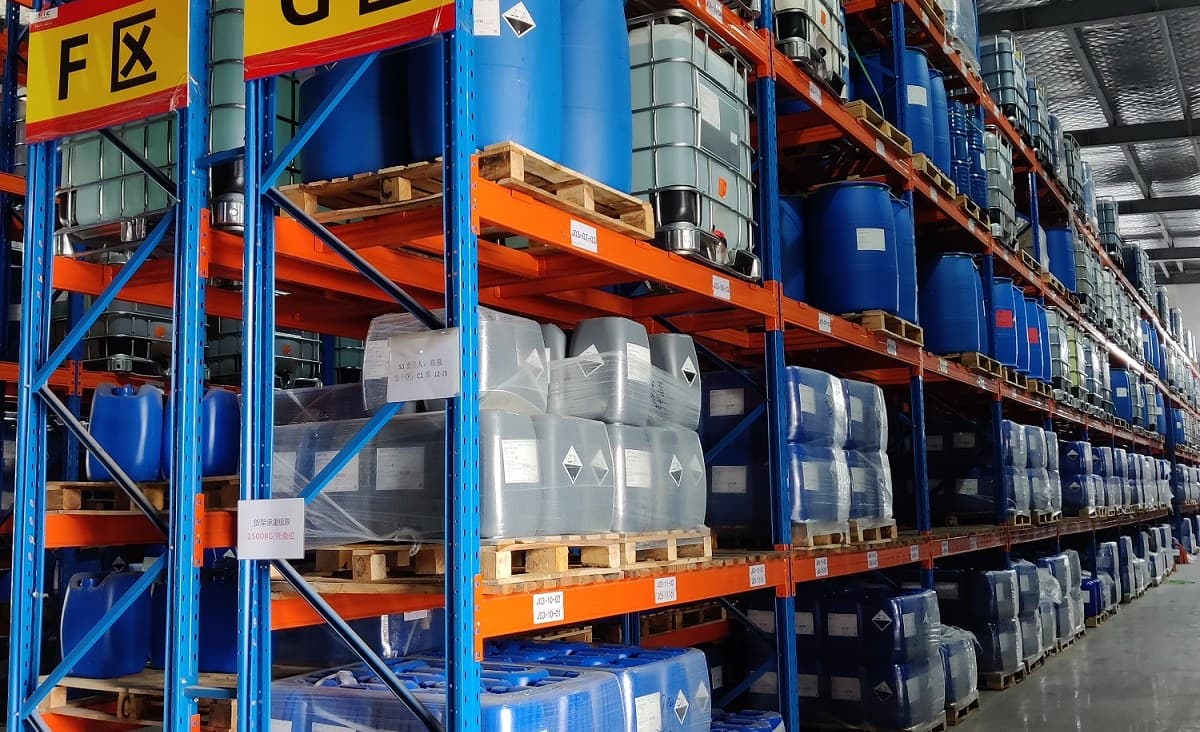
Short Answer
Alcohol content can be relevant, but it is not a universal decision rule for fragrance and flavour cargo. Review the actual composition, physical properties and applicable hazards, including environmental hazards. Use a matching SDS and supporting evidence to check the sea-transport classification. Resolve discrepancies with the issuer before agreeing packaging, service acceptance and dispatch.
Classification, packing and acceptance remain subject to the current edition of applicable regulations, carrier review and port requirements. Confirm before shipment.
What actually ships in this category?
Aromatic raw materials, essential oils and fragrance or flavour mixtures need product-specific review. A sales description such as natural, food grade, alcohol free or finished product does not establish general-cargo status.
For a liquid formulation, flash-point data may be relevant even when no alcohol is present. Toxicity, corrosivity and environmental hazards should not disappear from the review simply because flammability is the first question asked.
A concentrate and a finished formulation may have different properties, but those labels do not themselves decide the classification. Product-quality needs such as temperature limits, odour control and protection from contamination are separate planning questions.
What information should we check?
These are review fields, not default classifications. Establish the applicable classification from product evidence and current rules; confirm carrier acceptance separately.
| Field | Review point | Note |
|---|---|---|
| Product identity | Actual formulation and product reference | Link the SDS and any supporting assessment to the goods being offered. Explain changes in formulation or presentation. |
| UN / class / packing group | Check applicable transport information | Do not infer these fields from the product name. A packing group is recorded only where applicable; unresolved information needs clarification. |
| Flash point | Relevant technical evidence where applicable | Not limited to alcohol-containing products and not the only potential hazard. Check the value, method and consistency with the formulation. |
| Environmental hazards | Review alongside other hazards | Do not assume that alcohol-free or non-flammable goods have no relevant environmental hazard. |
| Quality and temperature | Product-specific instructions | Confirm the manufacturer’s storage and transport conditions. A reefer is not a default requirement for this category. |
Review fields, not an approval
What information and documents should we prepare?
This is our review and coordination checklist, not a universal statutory document list. The applicable items and responsible parties depend on the actual cargo, route and service.
- SDS matching the shipped productRequired
For preliminary review; an SDS is not a booking approval or a substitute for resolving contradictory evidence.
- Product and packing informationRequired
Product reference, physical form, package type, quantity and weights; provide relevant technical information through an agreed confidential channel.
- Invoice and packing listRequired
For shipment preparation; explain the relationship between commercial and transport descriptions.
- Classification or test evidenceConditional
Where needed to resolve uncertainty or meet the actual submission requirements.
- DG documents and packing evidenceConditional
According to the confirmed cargo and transport arrangement.
- Quality / temperature instructionsConditional
State any limits and monitoring needs before choosing equipment or an LCL service.
Should this go FCL or LCL?
Full container
Discuss FCL where quantity, odour, contamination risk or handling needs favour a dedicated load. A dedicated container does not remove packing, securing or compatibility checks for the goods inside it.
Consolidation
Check the actual LCL service before dispatch. DG combinations require pre-loading review; even general cargo may face odour, contamination or handling restrictions. Small volume alone does not establish suitability.
What actually goes wrong?
These are review points to resolve before dispatch, not findings about a particular shipment.
01Treating alcohol free as a shipping conclusion
It describes one aspect of the formulation, not all transport hazards. Ask for the actual product evidence instead of inferring general-cargo status.
02Reading only the last page of the SDS
Check the product identity and whether the transport information is consistent with the other relevant sections. Refer material contradictions to the issuer.
03Using concentrate or finished product as the rule
Those labels do not replace the formulation and hazard assessment. Different products need their own supporting basis.
04Forgetting quality requirements
Odour transfer, contamination and temperature sensitivity can affect the service choice even after transport classification is settled.
What does the carrier actually review?
Carrier review is not guaranteed acceptance
Present the confirmed cargo description, supporting information, packaging, quantity and route. Separate the technical classification basis from the carrier’s acceptance decision. Confirm any quality-handling conditions with the actual service operator. A carrier review is not an acceptance guarantee.
Identify the goods
Match the product reference, formulation version and physical form to the documentation.
Resolve the classification questions
Ask the issuer or appropriate technical party to clarify gaps and contradictions; do not edit an SDS merely to obtain matching fields.
Compare packing and service options
Assess FCL or LCL with quantity, package suitability, odour, contamination and any temperature conditions in view.
Confirm acceptance and milestones
Submit the actual proposal and agree the necessary responses and deadlines before dispatch.
Control changes
Notify formulation, packing or quantity changes and review the affected documents and operational arrangements.
Questions I get asked most often
- Are all fragrance and flavour products dangerous goods?
- No blanket conclusion follows from that commercial category. Review each product and its transport-classification evidence without assuming that most are either DG or general cargo.
- Does an alcohol-free product qualify as general cargo?
- Not on that basis alone. Other constituents and hazards may matter; flammability is not the only issue to assess.
- Does concentrate versus finished product decide the classification?
- No. Those descriptions may indicate a formulation difference, but the actual composition and hazard characteristics need assessment.
- Is an SDS enough to confirm shipment acceptance?
- It is an important starting document, not an acceptance approval. Resolve conflicting information and obtain any additional evidence needed for the proposed shipment.
- Do all fragrance shipments need a reefer?
- No default reefer requirement is stated here. Obtain the product-quality instructions and confirm whether the proposed service can meet them.
- What should I send for an initial quote?
- The matching SDS, product reference, package type, quantity, weights, origin, destination and cargo-ready date. Add any odour, contamination or temperature constraints.
Tell me about your fragrance and flavor shipping from shanghai shipment
Send the product information, available SDS and appraisal, quantities, packaging, weight and destination. Flag anything unconfirmed so we can review transport status and service scope before quoting.