Cargo · Shanghai Port
Chemical Shipping from Shanghai
Chemical cargo is not automatically dangerous goods. Start with the product being shipped, then review its sea-transport classification and export inspection requirements separately.
The short version
Two checks, not one label: is it dangerous goods for sea transport, and is hazardous-chemical export inspection applicable?

Written by Rex Xu·Shanghai, China
Shanghai Dangerous Goods & International Freight Forwarding Expert
Published
Updated
Short Answer
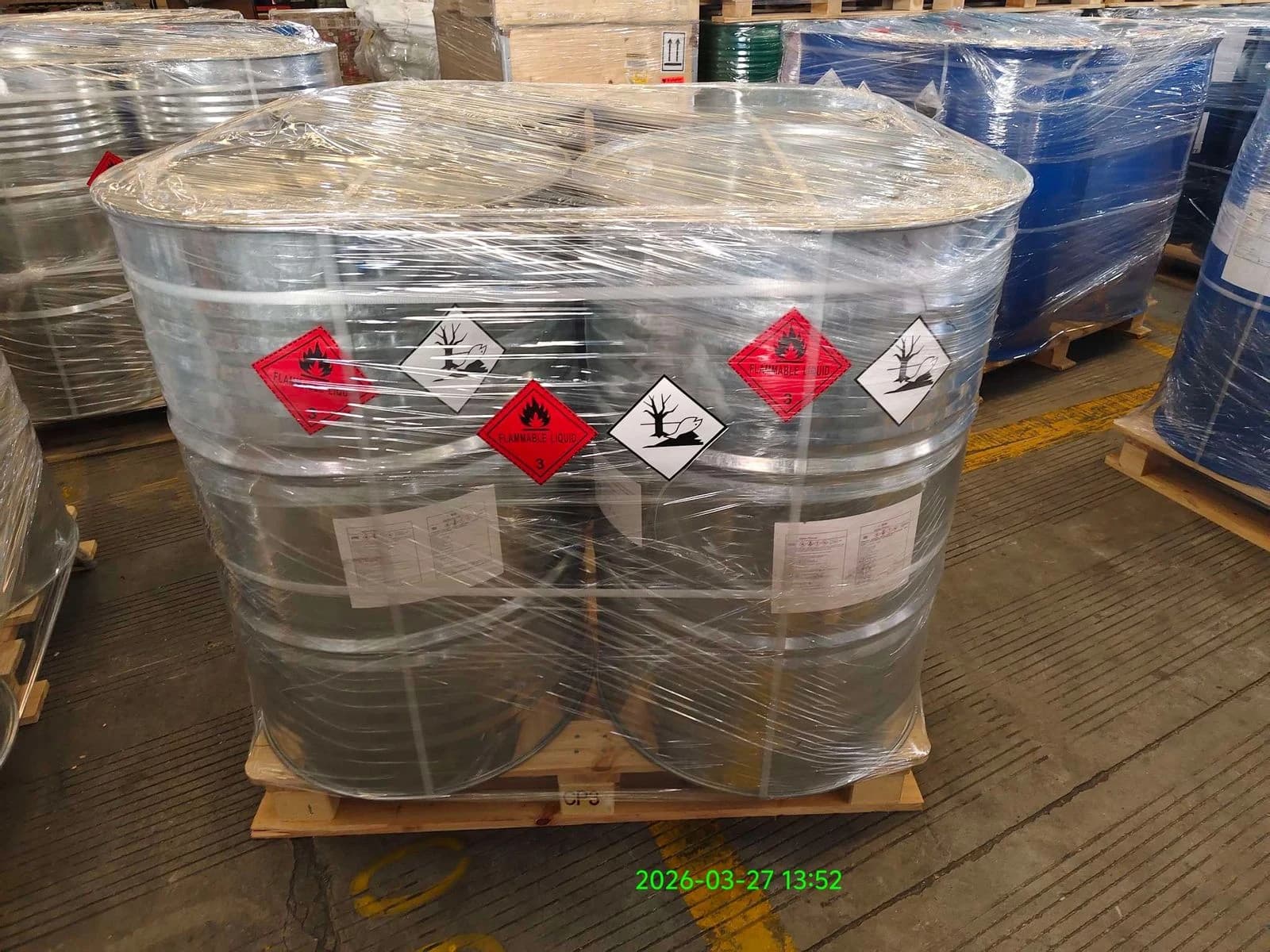
Chemical exports include both non-DG and dangerous goods. I start with the actual product, its SDS, packaging and shipment details. Where further evidence is needed, a sea-transport appraisal can support the review. A non-DG transport conclusion does not by itself settle hazardous-chemical export inspection requirements.
Classification, packing and acceptance remain subject to the current edition of applicable regulations, carrier review and port requirements. Confirm before shipment.
What actually ships in this category?
Chemical cargo describes a product sector, not a transport classification. Powders, liquids and formulated products must be assessed against their actual properties; a liquid is not automatically DG and a powder is not automatically non-DG.
The SDS is a starting point for checking identity, composition, physical properties, hazards and transport information. If the documents conflict or do not cover the shipment, the manufacturer or an appropriate testing body needs to clarify the basis.
China’s hazardous-chemical inspection framework and sea-transport DG classification answer different questions. A product covered by the applicable hazardous-chemical catalogue may require export inspection even when it is non-DG for sea transport.
Once these points are clear, we can discuss FCL, general cargo LCL or DG LCL, as appropriate. Repacking, stuffing and securing are separate services whose suitability must be checked for the particular cargo.
What information should we check?
These are review fields, not default classifications. Establish the applicable classification from product evidence and current rules; confirm carrier acceptance separately.
| Field | Review point | Note |
|---|---|---|
| Product identity | Actual product and formulation | Match the product name, composition and physical form across the shipment documents. |
| Sea-transport status | DG or non-DG, with supporting evidence | Review the applicable sea-transport basis; neither the trade name nor an SDS heading alone establishes acceptance. |
| Export inspection | A separate hazardous-chemical check | A non-DG conclusion does not automatically remove inspection obligations. |
| Shipment configuration | Packaging, quantities, weights and route | The proposed service must accept the actual shipment configuration. |
Review fields, not an approval
What information and documents should we prepare?
This is our review and coordination checklist, not a universal statutory document list. The applicable items and responsible parties depend on the actual cargo, route and service.
- Product information and matching SDSRequired
For our preliminary review. Explain any missing information or differences from the actual shipment.
- Packaging, quantity, weights, destination and cargo-ready dateRequired
These establish the scope of the enquiry and the practical transport options.
- Sea-transport appraisalConditional
Where needed to clarify classification or requested by the carrier; check product coverage, transport mode and acceptance.
- Hazardous-chemical export inspection documentsConditional
Check independently. A hazardous-characteristics classification report serves a different purpose from a transport appraisal.
- DG application, packaging evidence and later declaration recordsConditional
For applicable DG shipments, prepare documents by stage. Completed declaration records are not an initial enquiry prerequisite.
Should this go FCL or LCL?
Full container
FCL may suit larger volumes or a dedicated loading arrangement. It does not resolve missing classification evidence or remove applicable inspection and packaging requirements.
Consolidation
Non-DG chemical cargo may be considered for general cargo LCL after acceptance review. DG cargo needs an appropriate DG LCL service. Leakage, odour, contamination risks, packaging and the destination also affect the decision.
What actually goes wrong?
These are review points to resolve before dispatch, not findings about a particular shipment.
01Treating non-DG as inspection-exempt
A sea-transport conclusion and hazardous-chemical export inspection are separate checks. Complete both before fixing the dispatch plan.
02Using different reports interchangeably
An SDS, transport appraisal and hazardous-characteristics classification report are not three names for the same document. Confirm which question each document answers.
03Sending the cargo before the review
Confirm the required documents, warehouse acceptance and timing before dispatch. Warehouse arrival cannot substitute for an unresolved classification review.
What does the carrier actually review?
Carrier review is not guaranteed acceptance
I coordinate the initial cargo review and proposed plan; company operations handle routine booking, documents and milestone updates. Carrier acceptance, inspection and terminal arrangements must each be confirmed for the shipment.
Identify the shipment
Send the actual product information, SDS, packaging, quantities and destination.
Separate the two checks
Review sea-transport classification and applicable hazardous-chemical export inspection independently.
Agree the service scope
Confirm FCL or LCL, any origin handling, the document gaps and the intended schedule.
Coordinate the handover
Progress booking, declarations where applicable, customs and dispatch against the confirmed requirements.
Questions I get asked most often
- Are all chemicals dangerous goods?
- No. Chemical cargo includes both non-DG and DG products. The actual properties and applicable transport classification determine the route through the review.
- Does a non-DG transport appraisal mean no export inspection is needed?
- No. Hazardous-chemical export inspection is a separate check against the applicable catalogue and inspection requirements.
- Must every shipment use a report from one particular institute?
- No single testing body is presented here as the universal mandatory issuer. Confirm the report type, competent issuer, product coverage and carrier acceptance before commissioning testing.
- Do I need every final document before asking for a quote?
- No. Send the information already available and identify what is missing. I will distinguish initial review information from documents needed later in the shipment process.
References and further reading
These sources provide transport, document or regulatory context within the scope noted for each link. They do not establish shipment classification, an operational plan or carrier acceptance.
Related services
Shanghai Dangerous Goods Shipping
Class 3/4/5/6/8/9 cargo from Shanghai, with DG documentation and declaration handled end to end.
Shanghai Dangerous Goods LCL Shipping
Segregation checks, compatible cargo grouping and warehouse handling — DG LCL is harder to get right than DG FCL.
Chemical Logistics from Shanghai
DG and non-DG chemical freight, with clearly agreed origin services and document handovers.
Discuss your cargo and destination
Send the product information, available SDS and appraisal, quantities, packaging, weight and destination. Flag anything unconfirmed so we can review transport status and service scope before quoting.