Shanghai Port · Service
Shanghai Dangerous Goods LCL Shipping
DG LCL from Shanghai: establish an acceptable cargo combination before dispatch, then keep the receiving, loading and documentation consistent with that plan.
The short version
Pre-dispatch compatibility review comes first. Warehouse receiving checks verify the actual cargo and any changes—they are not the first opportunity to decide whether goods can share a container.
- Segregation
- Compatible Cargo Grouping
- Consolidation
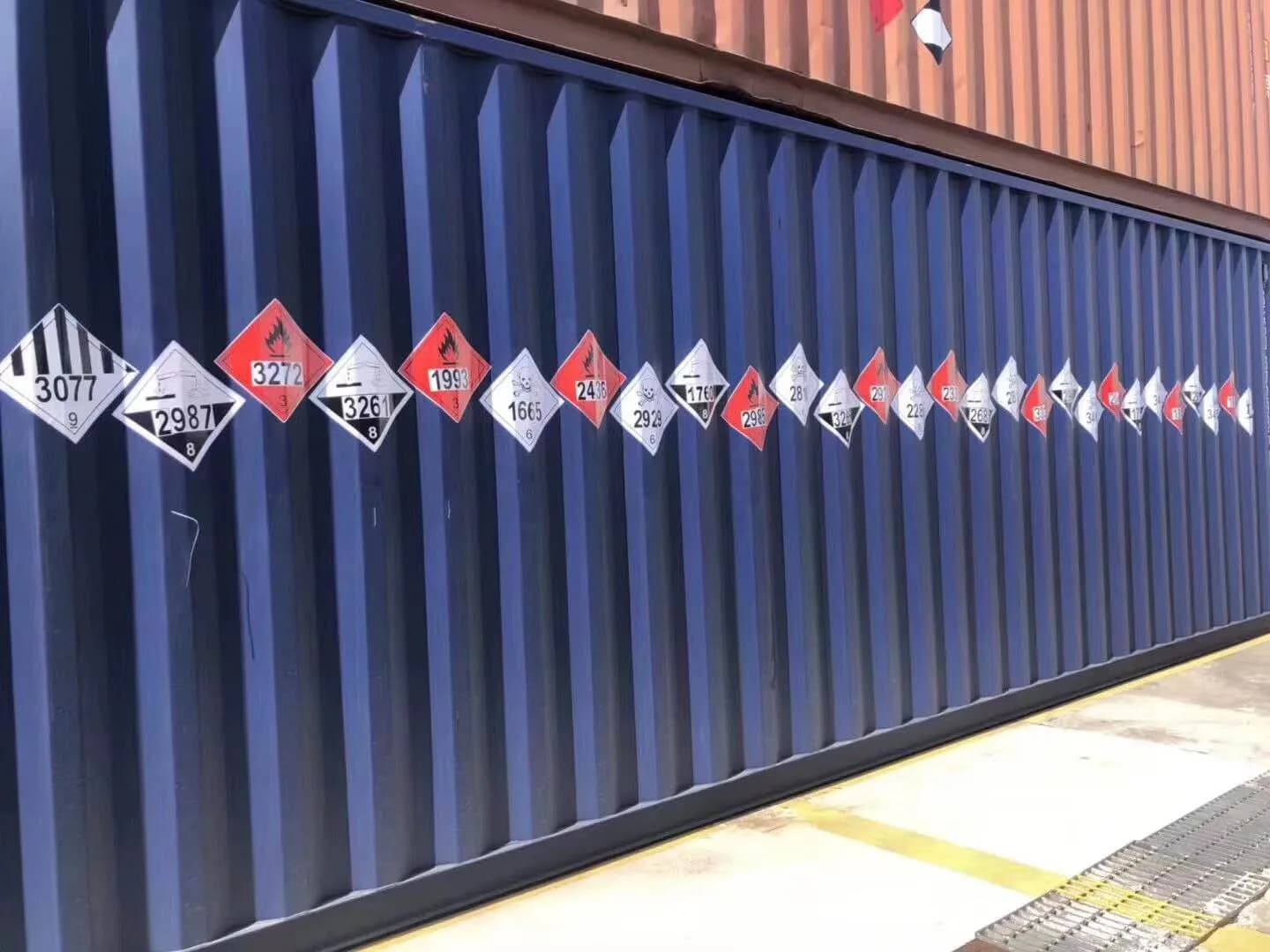
Not every dangerous goods shipment belongs in an LCL container.
What does this service actually cover?
LCL brings consignments from different shippers into one container. The planned cargo combination, applicable segregation, route and carrier or consolidator acceptance all matter.
Review uses the actual UN entries, subsidiary hazards and relevant substance-specific requirements, not just a comparison of primary class numbers. If the planned combination changes, the affected acceptance must be re-checked.
I started in general cargo LCL operations before moving into dangerous goods. That background helps connect document review with warehouse receiving and the physical loading arrangement.
Cargo and consolidation feasibility
- Segregation
- Separation requirements between incompatible cargo in the same container.
- Compatible Cargo Grouping
- Grouping cargo in a consolidated container so compatibility rules are satisfied.
- Consolidation
- Cargo shipped as a share of a container with other consignments.
What we coordinate within the commission
- Booking
- DG document coordination, where applicable
- DG filings, where applicable and commissioned
- Export customs within the agreed scope
- Trucking, if commissioned
- Partner warehousing, if commissioned
- Container loading and securing
- Shipping line coordination
How does a shipment actually move?
These are coordination stages, not a rule that every activity waits for the previous one. Documents, loading and customs may progress in parallel.
Identify the shipment
Confirm the actual product, available SDS and classification evidence, packaging, quantities and route. Mark any gaps; a small shipment does not need less accurate information.
Review the planned combination
Before dispatch, coordinate compatibility, segregation and acceptance with the consolidation operator against the intended cargo combination.
Receive and verify
Check that received goods, packaging, marks and documents match the reviewed information. Hold discrepancies for clarification before loading.
Load to the agreed arrangement
Coordinate stowage, securing and actual packing records. Reassess changes to the cargo combination rather than treating an earlier plan as blanket approval.
Complete filings and track departure
Coordinate the applicable maritime, agent and customs requirements by their deadlines, using the actual cargo composition and packing records. Confirm sailing as a separate operational milestone.
What information and documents should we prepare?
Start with information for feasibility review. Later stuffing and filing records are coordinated at the relevant stage.
- SDS and available classification evidenceRequired
Match the actual product and identify anything still unconfirmed.
- Product-by-product quantities and packagingRequired
Include dimensions, gross/net weights and available package/marking photos.
- Applicable packaging evidenceConditional
Confirm the document path with the selected service before dispatch.
- Battery test evidenceConditional
For applicable battery cargo, distinguish the UN38.3 summary from the report and confirm service-specific requirements.
Not sure what you need?
What is different about this port?
Review before the warehouse receives cargo
An agreed receiving instruction should follow the initial acceptance review. Receiving checks then verify the cargo, rather than discovering the intended combination for the first time.
Match more than one deadline
The consolidation receiving window, loading plan, DG filing cut-off and terminal plan are different milestones. Confirm them with the actual booking and keep changed information visible.
Questions I get asked most often
- Why does DG LCL need additional coordination?
- Different consignments must fit an acceptable shared arrangement. The operator reviews the planned combination before dispatch and checks actual goods at receiving; any material changes need reassessment.
- Can my dangerous goods be consolidated with other cargo?
- This depends on the actual substances and UN entries, applicable segregation and service acceptance. Primary class numbers alone do not establish compatibility.
- What if received cargo differs from the reviewed information?
- Stop and clarify the discrepancy before loading. The operator may need a revised plan, separate carriage or a different service. Repacking alone does not generally resolve a segregation prohibition, and the next sailing is not automatic.
- Is LCL always cheaper for a small DG shipment?
- No. Compare available services, minimum charges, DG handling, origin and destination fees and timing on the same scope. Small volume alone is not enough to choose.
- How does chargeable quantity work?
- Confirm the weight/measure basis, conversion, minimum and all local charges in the actual quotation. Do not compare ocean rates without their charging assumptions.
Before you book
Classification, packing and acceptance remain subject to the current edition of applicable regulations, carrier review and port requirements. Final dangerous goods acceptance is made by the carrier after document review — submitting a request through this website is a preliminary assessment, not a booking confirmation.
Related cargo
Chemical Shipping from Shanghai
Separate sea-transport classification from hazardous-chemical export inspection.
Pesticide Shipping from Shanghai
Whole-product transport hazards, packaging and separate pesticide export/import controls.
Fragrance and Flavor Shipping from Shanghai
Review the actual formulation, transport hazards and operating conditions.
Tell me your UN number and destination
Cargo name, UN number if you have it, quantity, packaging and destination port. If the classification is unclear, say so and send the MSDS.