REX’S FIELD NOTES · CRATED CARGO · RUSSIA
UN3394 to Russia: Crated Cargo Loading & Securing
The sea leg ends. The cargo’s journey continues.
From Shanghai to Vladivostok, then onward by rail to Novorossiysk. I arranged the booking, DG declaration, export customs, stuffing, securing and sea freight. The consignee arranged the railway leg. Different parties can handle different legs, but the next movement still matters when planning the load.
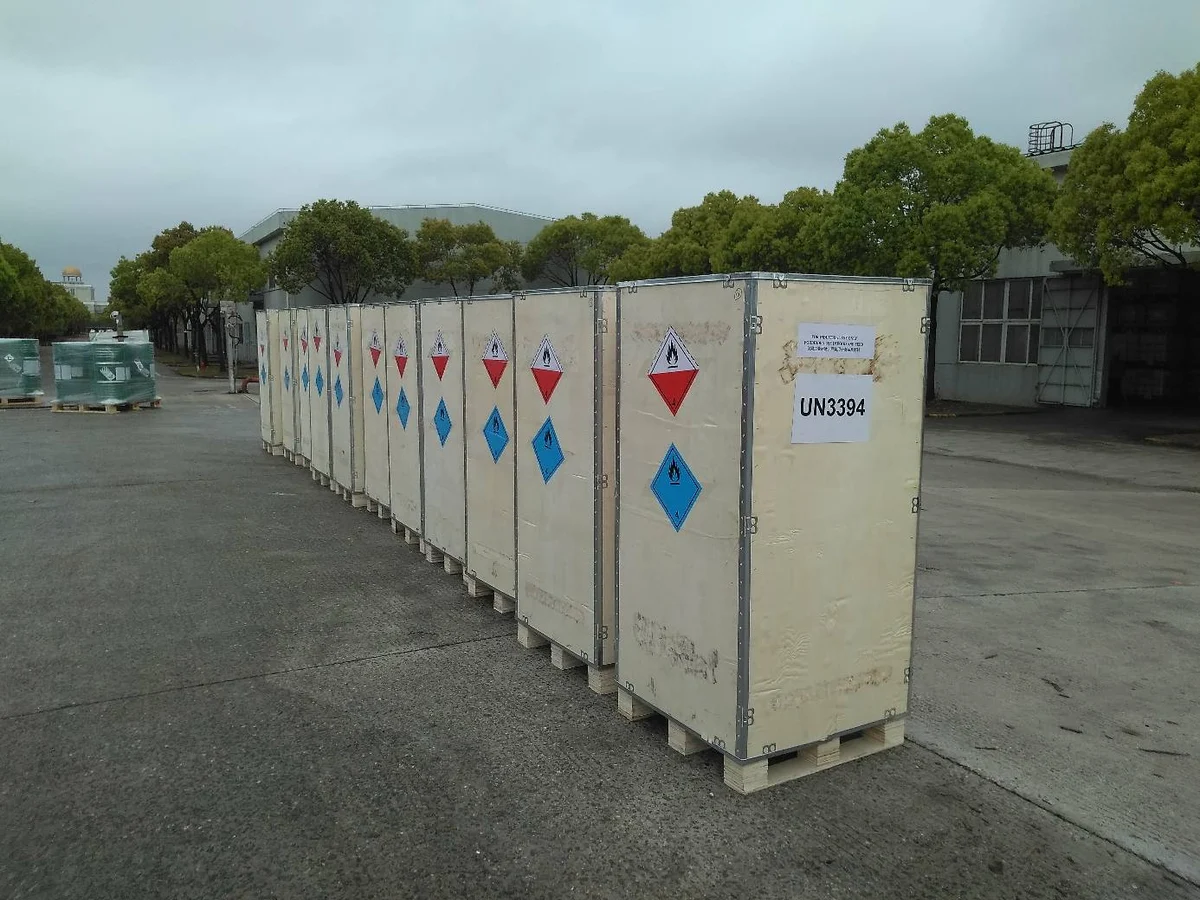
Cargo in this shipment
UN3394
- Primary hazard
- Division 4.2
- Subsidiary hazard
- Division 4.3

Written by Rex Xu·Shanghai, China
Shanghai Dangerous Goods & International Freight Forwarding Expert
Published
6 min read
This crated UN3394 cargo had a primary hazard of Division 4.2 and a subsidiary hazard of Division 4.3. I arranged Shanghai origin handling and the sea leg to Vladivostok; the consignee arranged onward rail. The cargo arrived, transferred to rail and completed delivery. I received no request for re-securing or other adverse feedback.
One shipment. Two transport legs. Clear responsibilities.
01 / Origin operations
Shanghai
Booking, DG declaration, export customs, stuffing and securing arranged by Rex.
02 / Sea-freight destination
Vladivostok
Rex arranged the sea leg from Shanghai. This was the limit of my transport scope.
03 / Onward destination
Novorossiysk
Rail from Vladivostok to Novorossiysk was arranged by the consignee.
A crate is the outside of the story.
The instruction was more than a vessel booking. It brought together dangerous goods booking, declaration, export customs and stuffing and securing at a partner warehouse. Coordinating that Shanghai-origin scope was my responsibility.
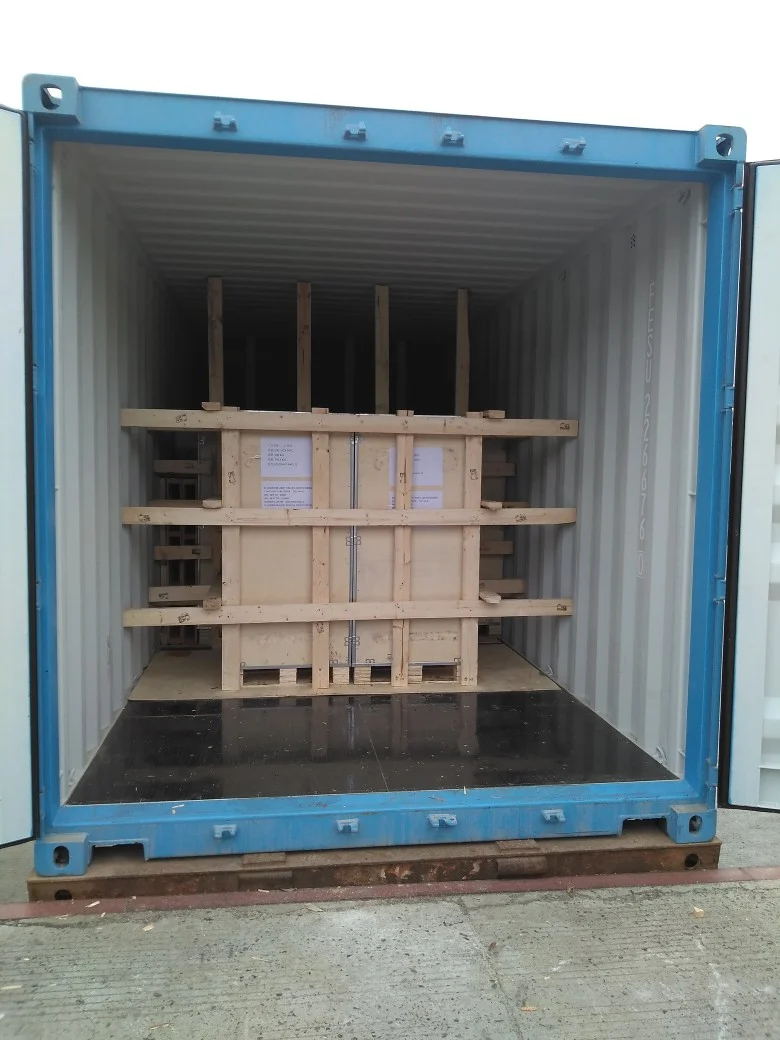
These photographs show a different packaging format from the IBC and drum cases: crated cargo, with timber arrangements at the far end, along the sides and at the door end. A different package means different positions, gaps and working space to consider.
Both the primary and subsidiary hazards belong in the cargo discussion. “Wooden crates” is not a sufficient description of UN3394 cargo. The images show the outside; internal receptacles and packaging suitability must be checked against the shipment information, not inferred from appearance.
My transport scope ended at Vladivostok. The loading discussion still needed to look beyond it.
Look between the cargo and the container wall.
Preparation, loading and door-end photographs reveal more than a closed container. These are original photographs from this shipment, showing the recorded timber arrangements rather than a design to copy onto another load.
01
See the preparation before the cargo goes in
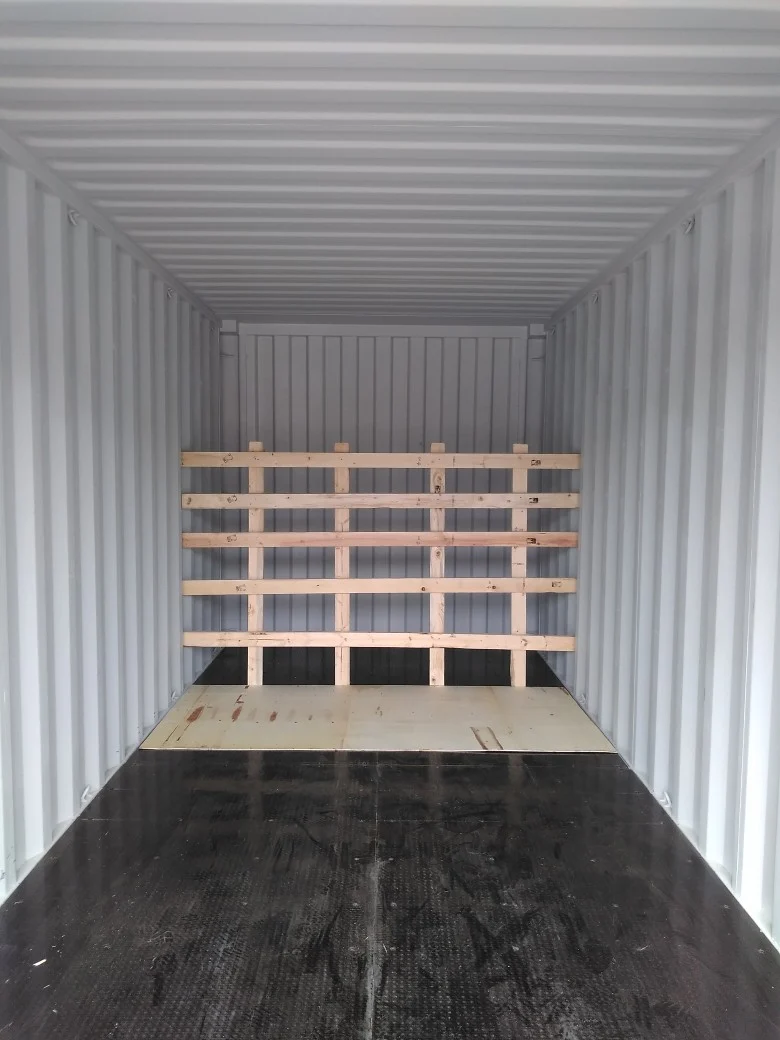
The empty-container photograph shows the timber arrangement at the far end and the board on the floor. These details become harder to see once the cargo is loaded.
For crated goods, the actual dimensions and gross weights need to be considered against the available container space. Material selection and positioning belong to the particular load and operating conditions, not a layout copied from a previous drum shipment.
02
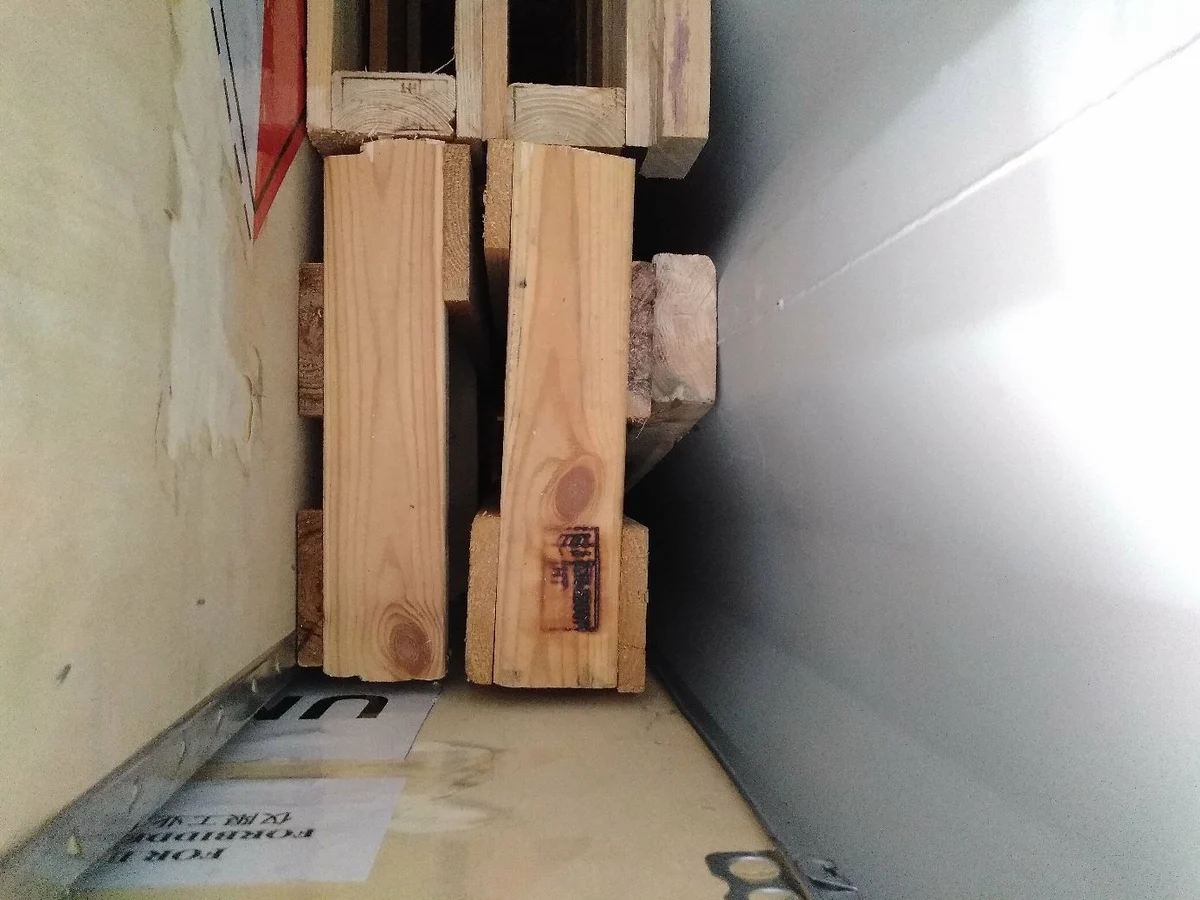
Make the side gaps part of the discussion
The close-up shows the relationship between the crate, container wall and timber pieces. This is part of the origin service that is easy to miss if attention is limited to moving cargo through the doors.
We can coordinate timber blocking and bracing around the actual packaging and gaps. The structural arrangement, connections and forces require shipment-specific review. A photograph alone cannot establish whether the same approach is suitable for another cargo.
03
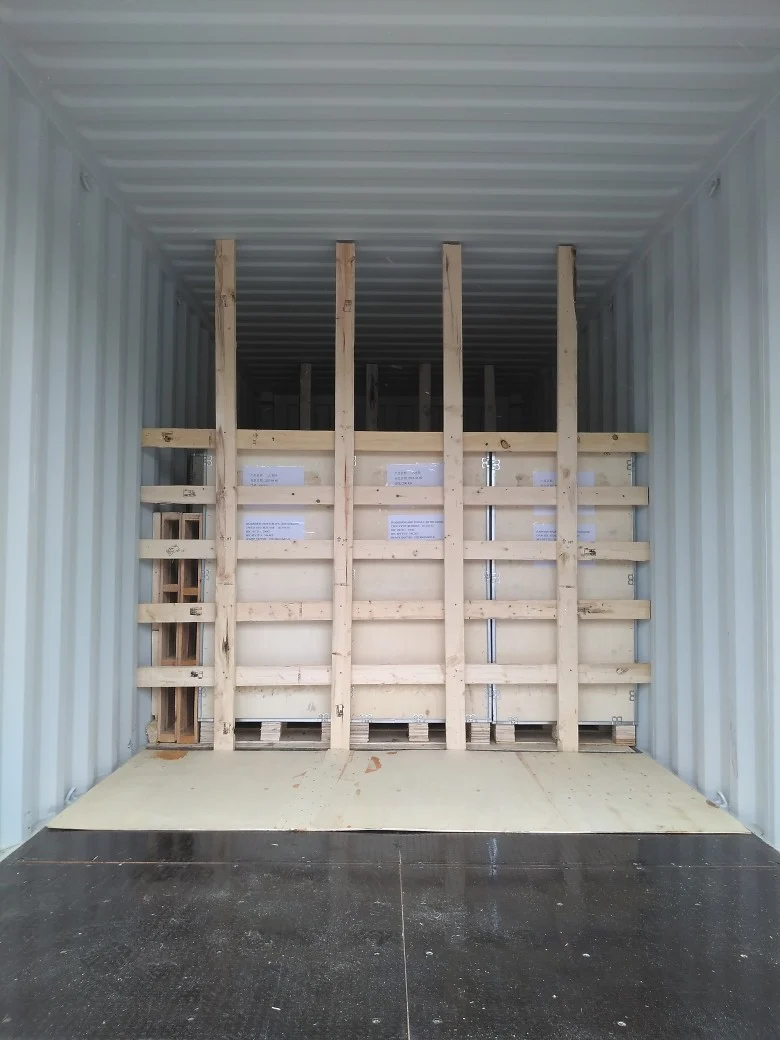
Keep the loading sequence visible
The two views bring a loading-stage arrangement and the door-end condition together. They show the relative positions of the crates and timber, giving the customer more context about the work before closure.
Recording key positions before and during loading helps customers understand the physical work and supports later communication and handover. These records work alongside—not in place of—inspection, packing documentation and the receiving party’s requirements.
Define the scope. Understand the onward journey.
I arranged the sea leg; the consignee arranged the railway. That split is common in forwarding partnerships. Clear responsibility boundaries should go alongside an early discussion of what happens to the cargo next.
Arranged by Rex
Booking, DG declaration, export customs, partner-warehouse stuffing and securing, and ocean freight from Shanghai to Vladivostok. I handle the initial plan and key questions; operations colleagues manage routine bookings, documents and milestone feedback.
Arranged by the consignee
The onward rail movement from Vladivostok to Novorossiysk was arranged by the consignee, outside my transport instruction. With separate arrangements for sea and rail, each party’s responsibilities need to be clear from the outset.
For the next instruction
If rail follows the sea leg, tell me before loading in Shanghai and share any securing or photographic requirements already provided by the onward receiving party. Early review helps identify differences before they become an overseas coordination problem.
Arrived. Transferred to rail. Delivery completed.
The cargo reached Vladivostok, transferred to the rail movement arranged by the consignee, and completed delivery. I received no request for re-securing and no other adverse feedback.
The onward outcome reflects the shipment feedback available to me. My transport responsibility remained the Shanghai–Vladivostok sea leg; it did not extend to the consignee’s rail arrangement.
The value of this instruction was the connection between dangerous goods sea freight and the physical origin work—not simply a freight rate.
Before arranging crated dangerous goods loading
Why are both 4.2 and 4.3 shown for UN3394?
For this UN3394 cargo, Division 4.2 is the primary hazard and Division 4.3 is the subsidiary hazard, commonly written as 4.2 (4.3). This describes one cargo’s hazards, not two different goods mixed together. Classification, packaging and acceptance still need checking against applicable rules, shipment documents and the actual carrier’s requirements.
Did Rex arrange the railway to Novorossiysk?
No. I arranged Shanghai–Vladivostok sea freight, booking, DG declaration, export customs, stuffing and securing. The consignee arranged rail from Vladivostok to Novorossiysk. The onward transfer and delivery outcome reflects the shipment feedback available to me.
Can another crated shipment use this exact layout?
Not without its own review. Cargo, package dimensions, gross weights, container, route and receiving requirements must be considered. These historical photographs are not a universal timber specification, connection detail, load calculation or railway approval.
Can I request origin loading support with my own booking?
Yes, a defined origin-service instruction can be discussed. Send the cargo information, packaging photographs, dimensions and weights, and explain the booking, onward transport and services required. Completed DG filing documents are not a prerequisite for the initial enquiry; later documents follow the actual operating requirements.
Start with your cargo—not a generic securing package.
Discuss sea freight with Shanghai origin handling, or a defined loading and securing instruction. If rail is next, include that information from the outset.
Discuss your loading requirementsExplore dangerous goods loading and securing →- 01Cargo name, UN, primary/subsidiary hazards and available SDS
- 02Packaging photographs, dimensions and package count
- 03Gross weight per package and for the shipment
- 04Route, onward transport and requested services