Shanghai Port
Shanghai Port Dangerous Goods LCL
Shanghai Port dangerous goods LCL — how consolidation warehouses handle dangerous cargo, what segregation is checked before loading, and how lead time compares with FCL.
The short version
Review the planned combination before dispatch, inspect delivered cargo against that plan, and recheck any changes before stuffing.
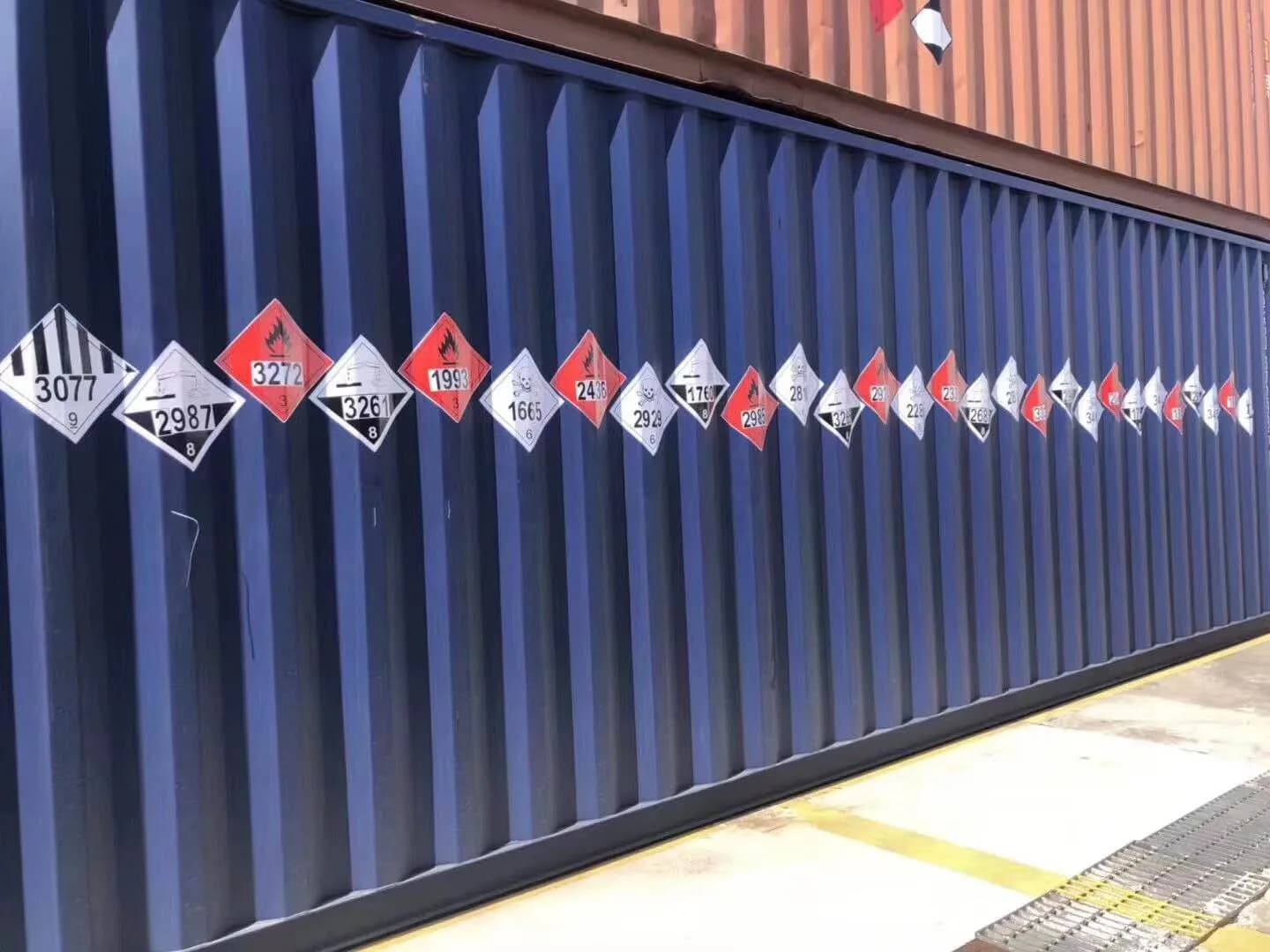
Short Answer
DG LCL combines separate consignments. Review the known cargo details, applicable segregation requirements and proposed service before dispatch. Receiving inspection confirms correspondence with that plan; it is not the first opportunity to establish compatibility.
Classification, packing and acceptance remain subject to the current edition of applicable regulations, carrier review and port requirements. Confirm before shipment.
How does an export move through this port?
These are coordination stages with dependencies, not a strictly sequential checklist. Document preparation, actual loading and customs work may progress in parallel.
Cargo identification
Obtain actual product identity, classification information, packaging, quantities and supporting documents. Small consignments still need accurate information.
Compatibility and segregation check
Review the planned combination before dispatch, including relevant primary and subsidiary hazards, specific provisions and carrier restrictions. Recheck any change.
Warehouse receiving and acceptance
Confirm initial acceptance and the proposed combination before dispatch. Receiving checks compare the actual goods, marks and packaging with that information, and hold discrepancies for clarification.
Loading and consolidation
Loading supervised with regard to segregation and stowage, so the physical arrangement matches what was declared.
Documentation and sailing
Use the actual cargo composition and packing records to complete the relevant pre-departure filings by their deadlines. Track actual sailing separately.
What information and documents should we prepare?
This is our review and coordination checklist, not a universal statutory document list. The applicable items and responsible parties depend on the actual cargo, route and service.
- MSDS / SDSRequired
Must describe the actual product; resolve discrepancies before dispatch.
- Accurate cargo compositionRequired
What is actually in your cartons, drums or packages.
- Commercial invoice and packing listRequired
- Packing details and photosConditional
Useful when the packing is non-standard or relabelled.
- UN38.3 test evidenceConditional
For applicable lithium-battery cargo. Summary and report differ; our formal battery FCL checklist requests the report.
What actually matters at this port
Pre-review and receiving inspection have different jobs
Pre-dispatch review assesses the proposed combination. Receiving inspection checks delivered packages, marks, labels and condition against the agreed information. Resolve discrepancies before stuffing.
Lead time is harder to control
Receiving, documentation and consolidation windows all affect the schedule. Confirm them with the consolidator and allow correction time.
Consolidation is usually the harder half
The compatibility question has to be answered against cargo you did not book. Doing it well is a different skill from doing FCL well, and it is the part that experience in general cargo LCL operations actually helps with.
What can hold up a shipment?
Check these potential hold points against the actual booking and cargo.
Incompatibility discovered at the warehouse
Stop the affected loading plan and reassess. A different consolidation or separate carriage may be needed. Repacking is not a general solution to incompatibility.
Missing document holds the whole consolidation
One missing document in a small consignment can hold the group, which affects cargo that had nothing wrong with it.
Questions I get about this
- Why is DG LCL harder than DG FCL at the port?
- Several consignments must meet one loading plan and service. Review their details before dispatch, then recheck substitutions or additions; do not wait for unidentified cargo to arrive.
- Can my dangerous goods be consolidated with other cargo?
- It depends on the actual combination, relevant hazards, specific provisions and service acceptance. Class numbers alone do not give a final answer.
- What happens if my cargo turns out to be incompatible in the warehouse?
- Pause the affected combination until reassessment. Alternatives may include separate carriage or another consolidation. Repacking alone does not necessarily remove restrictions.
- Is LCL lead time shorter or longer than FCL?
- Less controllable rather than simply longer. FCL has a clear loading event you control; LCL depends on receiving, grouping and loading windows that are not yours. For time-critical cargo that difference is the deciding factor.
- Can I use the same booking for FCL and LCL?
- A split arrangement can be assessed. Define the separate cargo lists, bookings, filings and deadlines; the LCL portion still needs its own combination review.
Before you book
Classification, packing and acceptance remain subject to the current edition of applicable regulations, carrier review and port requirements. Final dangerous goods acceptance is made by the carrier after document review — submitting a request through this website is a preliminary assessment, not a booking confirmation.
Related
Shanghai Port Freight Forwarding
Terminals, cargo flow from booking to loading, and the cut-offs that actually bind.
Shanghai Port Dangerous Goods Shipping
The full Shanghai Port DG process — booking, trucking, customs, declaration, loading — with the documents required and the steps that most often cause delays.
Shanghai Port Dangerous Goods FCL
Container planning, terminal segregation, lashing requirements and documentation sequence.
About Rex
Entered freight forwarding in 2008 on the Europe general cargo LCL desk, then moved into dangerous goods and Shanghai Port work.
Send the cargo details and the required arrival date
Cargo name, UN number if you have it, quantity, packaging, destination port and required arrival date. An MSDS is enough to start.