Shanghai Port
Shanghai Port Dangerous Goods FCL
Shanghai Port dangerous goods FCL — container planning, DG filing, securing and terminal handover and the documentation sequence for a full container of dangerous cargo.
The short version
DG FCL at this port is planned around three things: which commodities can share the box, what has to be separated, and whether the securing survives the voyage.
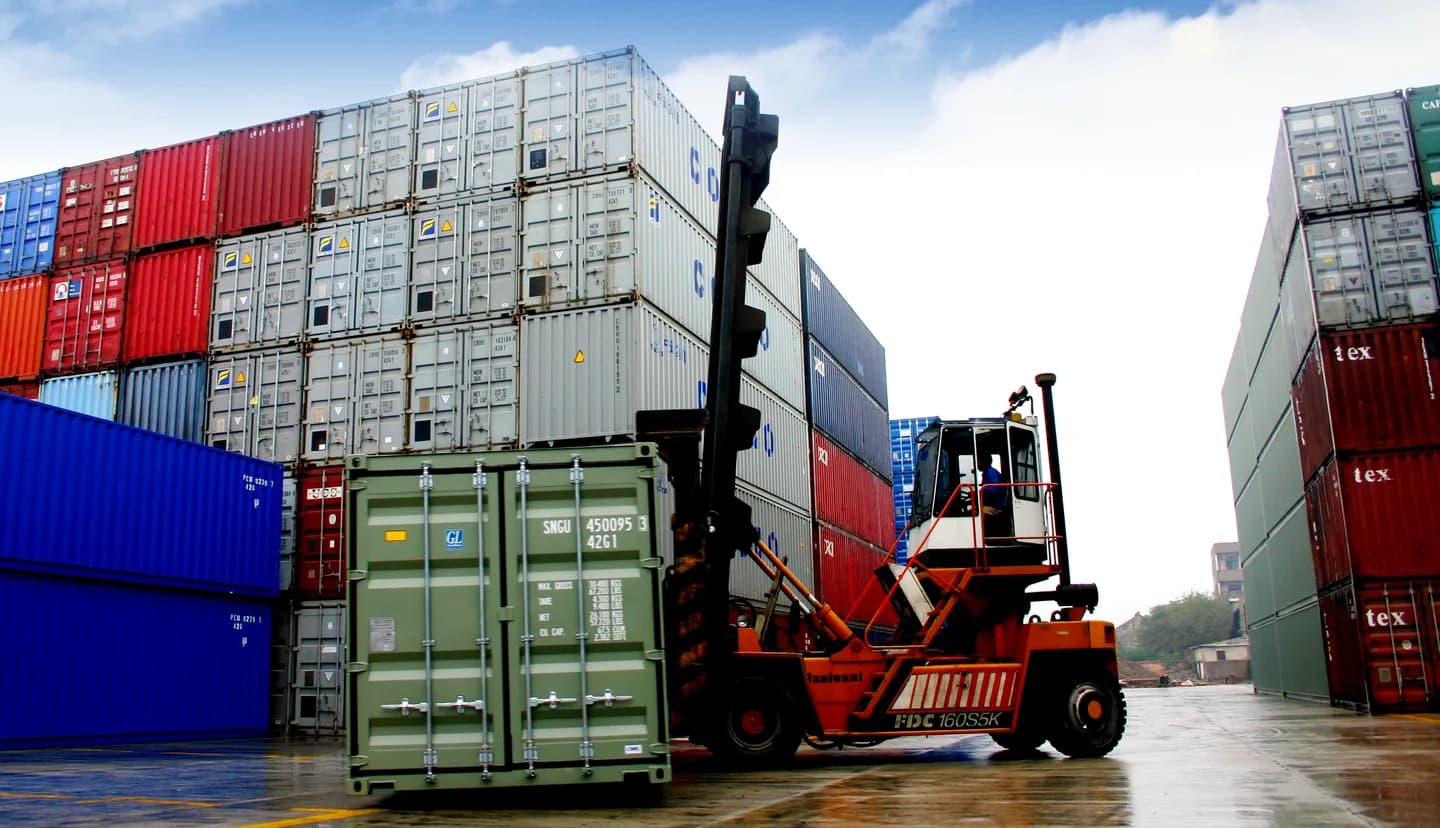
Short Answer
Shanghai Port dangerous goods FCL is planned around three things: which commodities can share the container, what has to be physically separated, and whether the securing arrangement survives the voyage. DG filing deadlines and terminal receiving are separate milestones. A stuffed container does not remove filing deadlines or authorise gate-in.
Classification, packing and acceptance remain subject to the current edition of applicable regulations, carrier review and port requirements. Confirm before shipment.
How does an export move through this port?
These are coordination stages with dependencies, not a strictly sequential checklist. Document preparation, actual loading and customs work may progress in parallel.
Container feasibility
Confirm the cargo list, quantities and packaging against the intended container type, and check whether weight and volume work for the planned box.
Segregation and stowage plan
Work out which commodities can share the container, what separation is required, and the loading sequence. Produce a plan the warehouse and the driver both understand.
Booking and carrier application
Submit the cargo for the proposed sailing. Confirm DG acceptance conditions and actual declaration and receiving deadlines before dispatch.
Stuffing and securing
Load to the plan, lash and secure as specified, and record the loaded condition and the seal number.
VGM and gate-in
Coordinate VGM and terminal receiving. Follow actual shipment status and the agreed bill of lading procedures separately.
What information and documents should we prepare?
This is our review and coordination checklist, not a universal statutory document list. The applicable items and responsible parties depend on the actual cargo, route and service.
- MSDS / SDSRequired
- Container loading planRequired
Prepared before loading from the actual cargo information; not a finished document you must already have at first enquiry.
- Commercial invoice and packing listRequired
- Lashing and securing specificationConditional
When securing beyond basic blocking is needed.
- UN38.3 test evidenceConditional
For applicable lithium-battery cargo. Summary and report differ; our formal battery FCL checklist requests the report.
What actually matters at this port
Agree the loading plan before the truck arrives
Agreeing loading, securing and handover requirements early helps avoid re-stuffing and related delays. Cost and feasibility depend on the actual arrangement.
Weight distribution is part of the loading decision
A loaded dangerous goods container still moves by road. Weight distribution and route constraints belong in the loading plan rather than being treated as a transport detail.
Box type changes the arithmetic
A 40HQ gives more height than a 40GP, which changes stowage options and the securing calculation. Availability and destination handling also differ between box types.
What can hold up a shipment?
Check these potential hold points against the actual booking and cargo.
Segregation was decided at the terminal
If compatibility or securing remains unresolved, pause the affected plan for review before loading. Do not expect terminal receiving to correct an unreviewed combination.
Securing was designed for the yard
A load that is stable in a warehouse is not necessarily stable for weeks at sea. This shows up as shifted or damaged cargo on arrival.
Questions I get about this
- When is FCL better than LCL for dangerous goods?
- Compare the combination, available services, quantity, handling and total cost. FCL allows a dedicated loading plan but does not waive segregation requirements. Small or unusual cargo is not automatically acceptable for LCL.
- What is a container loading plan?
- A document showing what goes where in the container, what is separated from what, and how the load is secured. It has to match what actually gets loaded — a plan that exists only on paper does not help anyone.
- Who arranges lashing and securing?
- It depends on the cargo and the terminal. Where cargo needs securing beyond basic blocking, the arrangement is specified in advance and carried out at stuffing, with the condition recorded.
- Can DG and general cargo share a container?
- Potentially, after checking the actual goods, applicable segregation or contamination restrictions, packaging, loading plan and carrier acceptance. It is neither a universal ban nor blanket permission to mix.
- Does DG FCL need separate filing and gate-in arrangements?
- Yes. Meet the declaration deadline notified for the shipment and separately follow the actual terminal’s approved receiving or direct-loading time. FCL does not permit unrestricted gate-in, and a later receiving window does not mean declarations can be left until then.
Before you book
Classification, packing and acceptance remain subject to the current edition of applicable regulations, carrier review and port requirements. Final dangerous goods acceptance is made by the carrier after document review — submitting a request through this website is a preliminary assessment, not a booking confirmation.
Related
Shanghai Port Freight Forwarding
Terminals, cargo flow from booking to loading, and the cut-offs that actually bind.
Shanghai Port Dangerous Goods Shipping
The full Shanghai Port DG process — booking, trucking, customs, declaration, loading — with the documents required and the steps that most often cause delays.
Shanghai Port Dangerous Goods LCL
Consolidation warehouse handling, segregation checks before loading, and lead time versus FCL.
About Rex
Entered freight forwarding in 2008 on the Europe general cargo LCL desk, then moved into dangerous goods and Shanghai Port work.
Send the cargo details and the required arrival date
Cargo name, UN number if you have it, quantity, packaging, destination port and required arrival date. An MSDS is enough to start.