UN3536 · SHANGHAI → KARACHI
37.7 tonnes each. Now in Karachi.
BESS shipping takes more than a booking.
Two 20HQ energy storage units, each rated at 4.18MWh with an actual shipping gross mass of 37.7 tonnes including the enclosure. This UN3536 shipment travelled as a pair and has arrived at Karachi port.
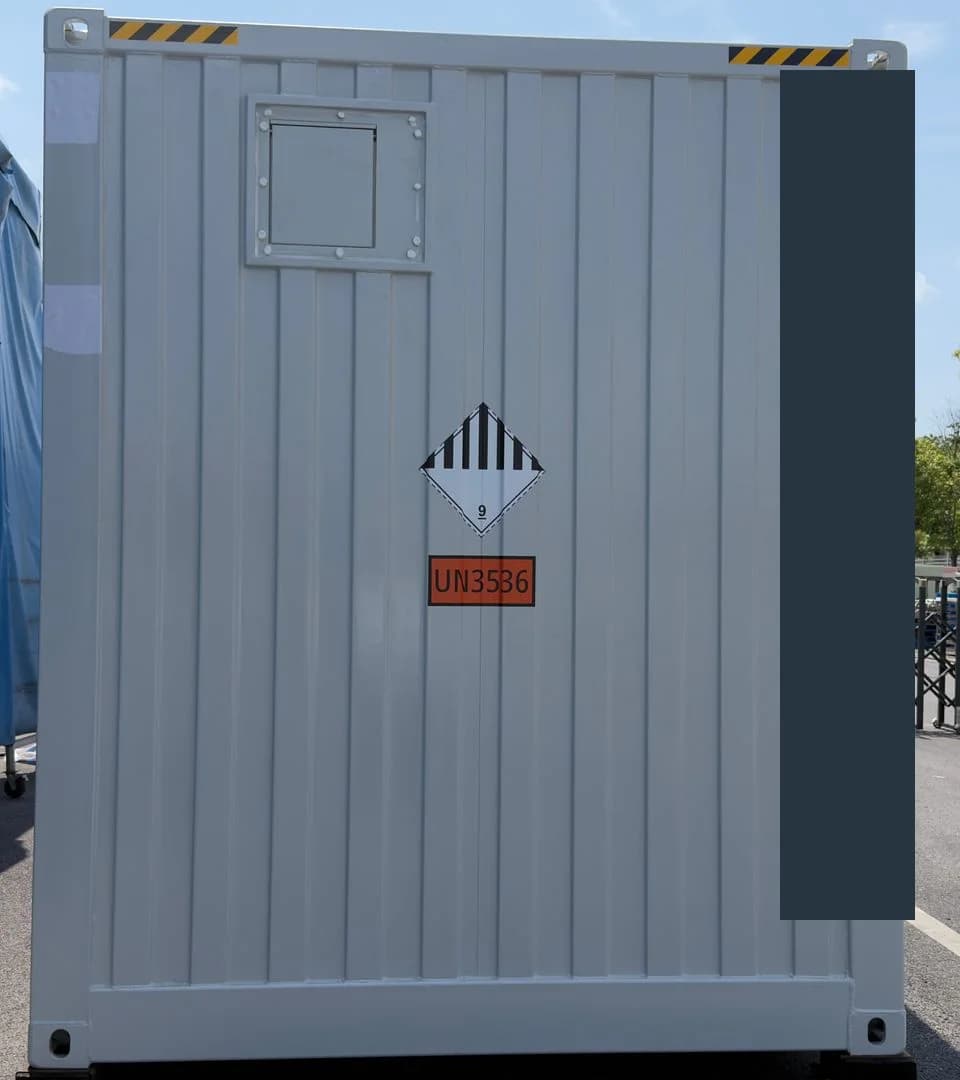
- Per unit
- 4.18MWh
- Gross per unit, enclosure included
- 37.7 tonnes
- Shipped as a pair
- 2 × 20HQ
- Karachi port
- Arrived
My scope: Shanghai port → Karachi port, Pakistan.
A freight rate is only part of the answer.
For heavy energy storage equipment, the first question is whether the proposed route works for the actual unit—not just whether space is available.
01 / FIELD NOTES
Container-shaped. Not a conventional container shipment.
I handled two 20HQ energy storage units from Shanghai port to Karachi port. Each unit had 4.18MWh capacity and an actual shipping gross mass of 37.7 tonnes, including the enclosure. Shipped as a pair under UN3536, both have now arrived.
A request for “two twenty-foot containers to Karachi” would leave out the facts that shape this job. This is both a dangerous goods movement and a heavy-equipment movement: unit condition, mass, stowage and terminal handling all matter.
For a shipper or an overseas forwarding partner, the useful lesson is not simply that these units moved. It is why the origin-side discussion needs someone who considers the DG documentation and the physical operating conditions together.
02 / FIELD NOTES
Two weight figures. Two different meanings.
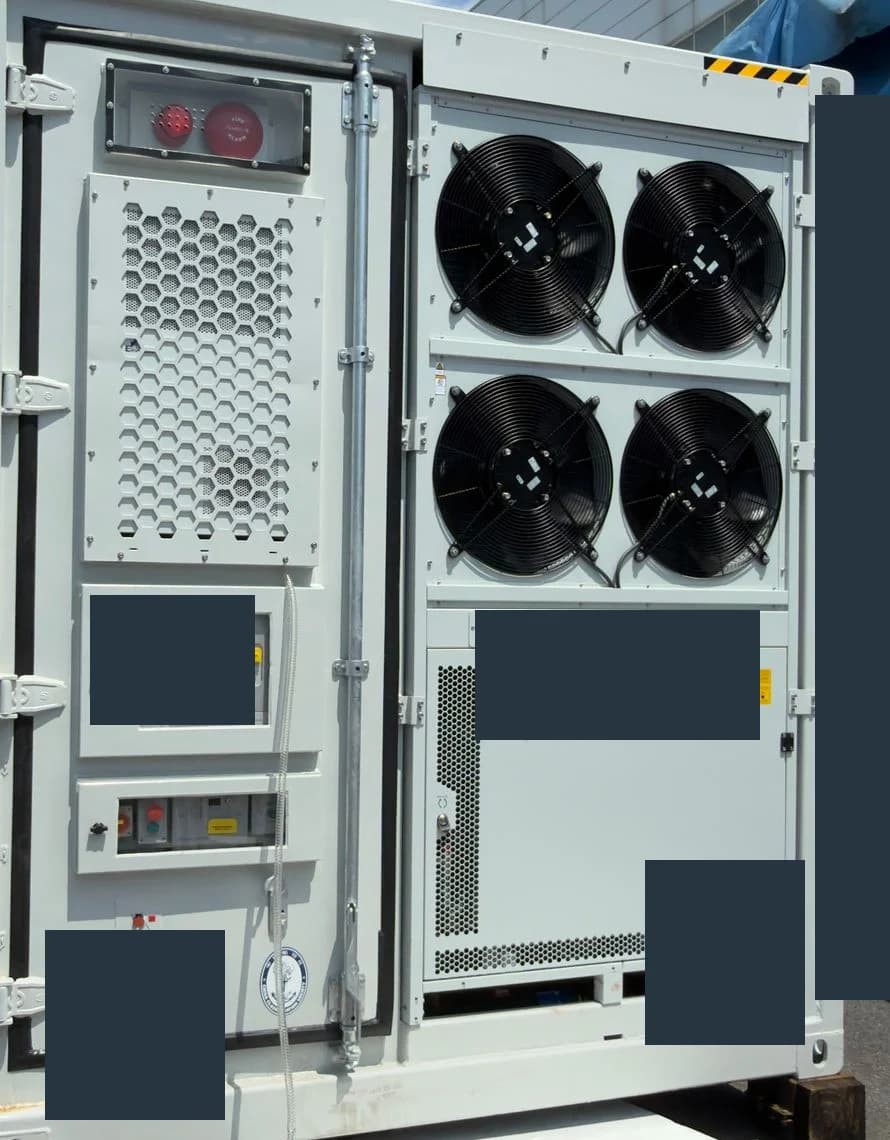
The nameplate shows a maximum operating gross mass of 44 tonnes. The actual shipping gross mass was 37.7 tonnes per unit, including the enclosure. One is a permitted maximum; the other describes the equipment as shipped. They are not interchangeable.
MWh capacity and “20HQ” alone do not describe a BESS shipment. Equipment photographs, dimensions, shipping condition and manufacturer documentation need to tell a consistent story before booking, lifting and stowage can be discussed.
UN3536 applies to this confirmed case. A new project still needs its own review of the equipment design, use and transport documentation.
03 / FIELD NOTES
Why discuss paired shipment early?
These two 20HQ units were shipped as a pair. For a similar project, establish whether pairing is required, whether a single unit is acceptable and how unit weights affect the proposed stowage arrangement before finalising dispatch quantities.
Two twenty-foot units do not automatically secure a usable forty-foot position. The actual vessel, unit type, weights and stowage review still matter. Paired shipment also does not mean simultaneous lifting; stowage and lifting arrangements need separate confirmation.
There is no claim here that every carrier requires an even number. Odd quantities and split delivery schedules are reasons to ask early, not reasons to assume rejection.
04 / FIELD NOTES
“Can it be lifted?” is only the first question.
A single mass threshold does not decide the route. The enclosure’s permitted gross mass, actual shipping mass, road arrangements, origin-terminal handling method, vessel stowage and any transshipment or discharge terminal must be considered.
SIPG’s public operating guide includes an energy-storage-container entry application and instructs applicants to confirm the handling method with the terminal first. An ordinary heavy-container routine is not sufficient evidence for a BESS movement.
Units approaching 45 tonnes or beyond deserve early project-specific assessment. That figure is not presented as a Shanghai-wide limit, nor as proof that lighter units will be accepted. One crane’s rated capacity is not approval for the full transport chain.
SIPG · Operating guide / 储能柜进港申请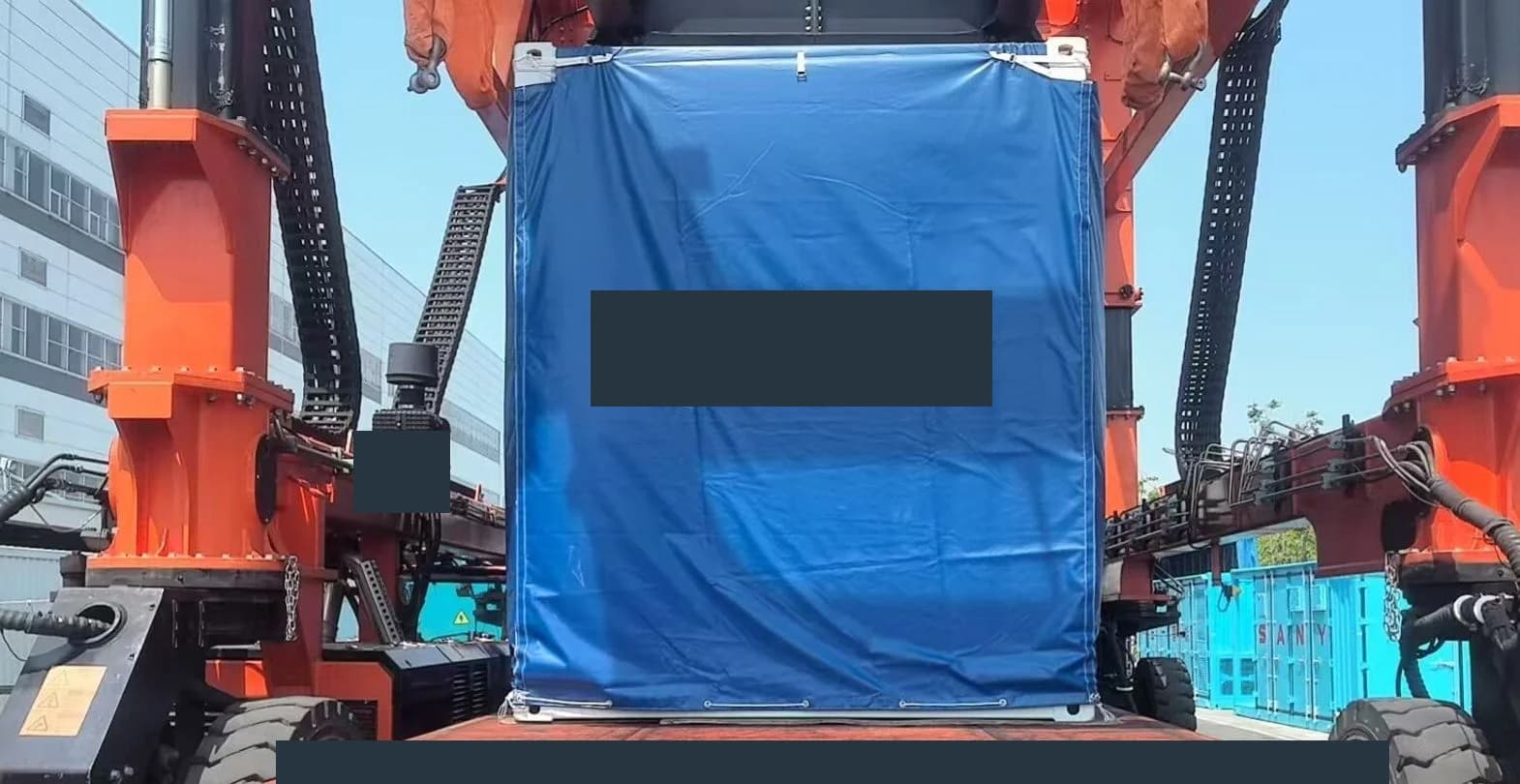
05 / FIELD NOTES
Origin handling is only part of route acceptance.
“Karachi” alone does not identify every operational condition. Confirm the actual discharge terminal, heavy-unit handling arrangements and carrier acceptance for the proposed route. Include intermediate terminals if transshipment is involved.
This is why an early conversation is useful: discharge conditions can be considered while equipment quantities and dispatch plans still have room to change, rather than becoming a late question after the cargo is ready.
06 / EQUIPMENT REFERENCE
Does 5MWh mean 42 tonnes?
Some specific products are in that range. Sungrow’s cited 2024 PowerTitan 2.0 datasheet lists 5.015MWh configurations at 42 and 42.5 tonnes. CATL has also presented a 6.25MWh TENER system in a twenty-foot container.
These examples are not a market-share ranking, a capacity-to-weight formula or shipping limits. Battery, enclosure, thermal-management and power-conversion configurations can differ. A manufacturer’s product weight must be reconciled with the actual shipping configuration before declaration.
Sungrow · PowerTitan 2.0 · 2024 Version 5| Product / shipment | Capacity | Weight reference |
|---|---|---|
| This shipment | 4.18MWh per unit | 37.7 tonnes actual gross, enclosure included |
| PowerTitan 2.0 ST5015UX-4H-US | 5.015MWh | 42 tonnes in cited datasheet |
| PowerTitan 2.0 ST5015UX-2H-US | 5.015MWh | 42.5 tonnes in cited datasheet |
| CATL TENER | 6.25MWh / 20ft | No mass stated in cited release; not inferred |
Manufacturer examples do not identify this shipment’s brand or imply a commercial relationship. CATL TENER
Let’s plan your next BESS shipment.
Planning a 20HQ BESS shipment, an odd number of units or split dispatches? Send me the equipment details you already have. We can discuss route feasibility before developing the booking plan and quotation.
I coordinate the initial plan and key issues. Operations colleagues handle routine booking, documents and milestone updates. Business operations are handled through THANKSTART.
Discuss your shipment with RexWhat to send for an initial discussion
- 01Model, capacity per unit and quantity
- 02Dimensions and actual gross shipping mass including enclosure
- 03Equipment and nameplate photos; manufacturer lifting and transport instructions
- 04Available DG documentation; flag anything not yet confirmed
- 05Origin, destination port, target shipping date and requested scope