FEATURED CASE / EXHIBITION VEHICLE / 2026
Before the launch. Bound for GTC.
A ZEEKR 8X exhibition vehicle, Shanghai to Los Angeles
A note on the windshield read “Urgent!!! NVIDIA summit.” The vehicle had not launched. The event already had a date. A fellow forwarder entrusted the Shanghai-to-Los Angeles port leg to me.
SHANGHAI → LOS ANGELES PORT
Explore the shipment ↓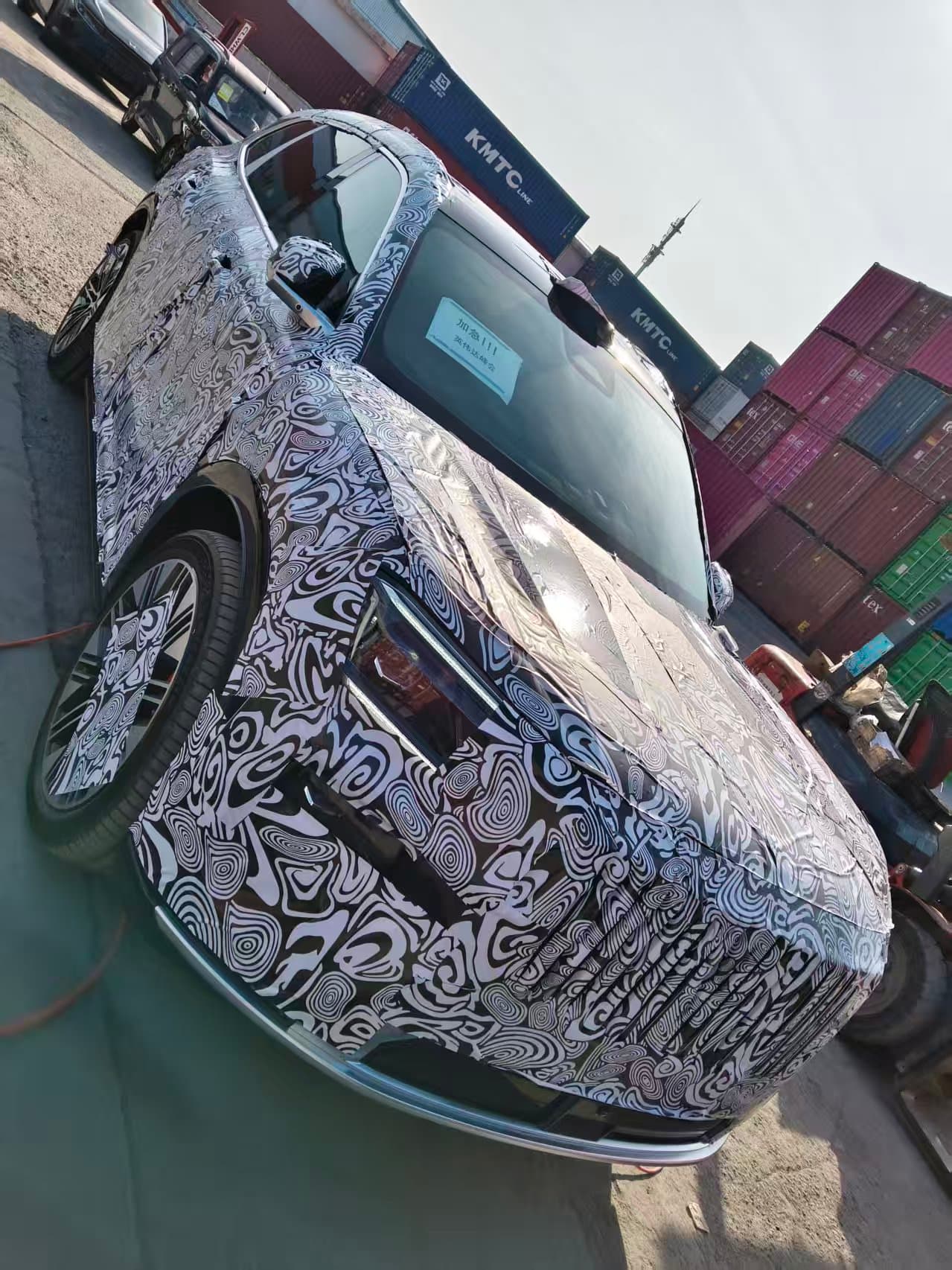
An important vehicle. Attention to the whole assignment.
01
More than a vehicle booking.
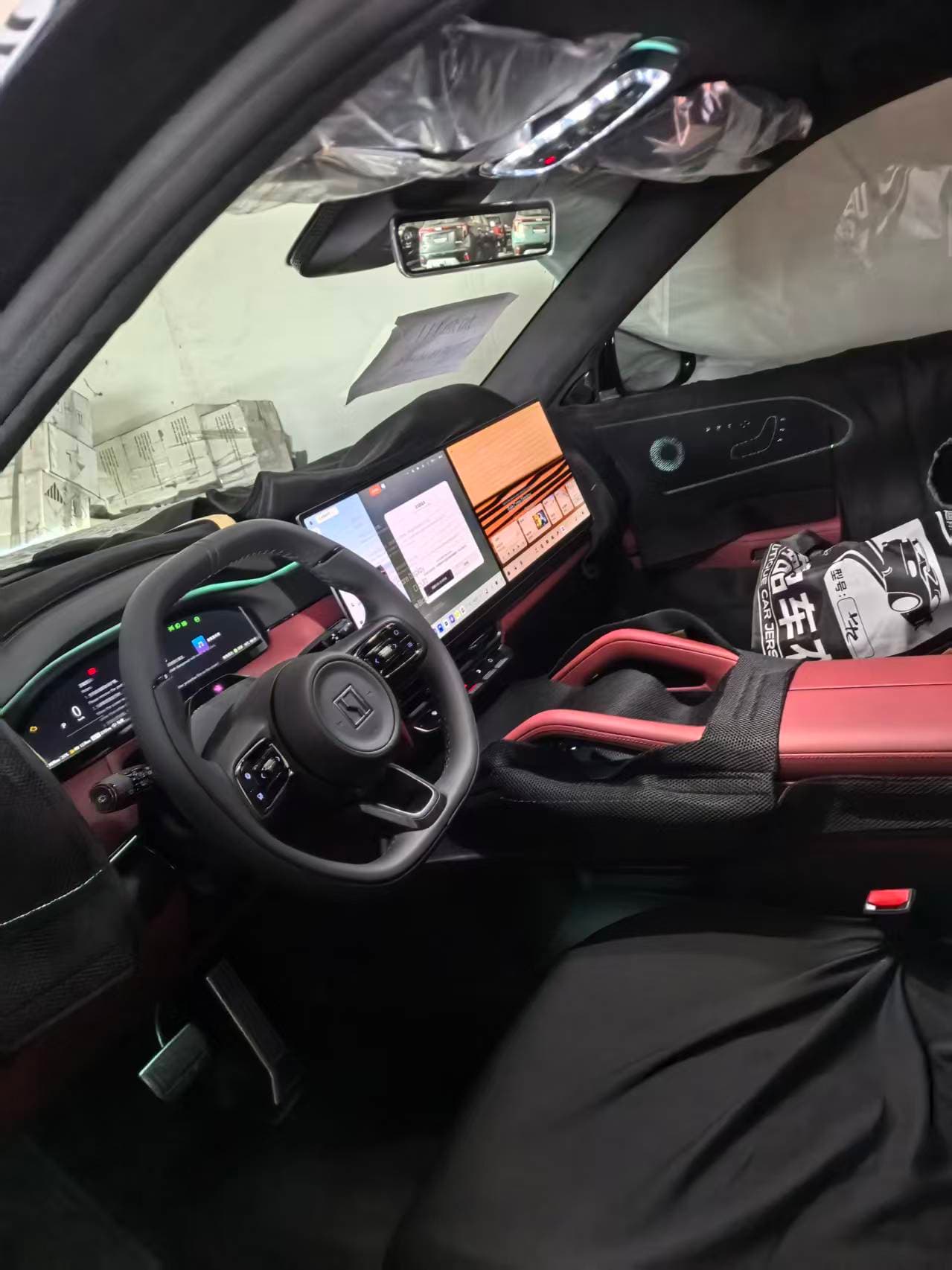
On January 27, 2026, a fellow freight forwarder approached me about a ZEEKR 8X exhibition vehicle destined for the United States ahead of NVIDIA GTC in March. The model was still pre-launch. My assignment covered Shanghai to Los Angeles port.
An ocean rate and available space were only part of the conversation. We also had to consider the vehicle’s cargo profile, the sailing plan, warehouse handover requirements and the client’s confidentiality instructions. For an exhibition shipment, those details belong in the plan from the beginning.
02
Know the vehicle. Understand the shipment.
For this assignment, I confirm that the hybrid vehicle was handled as UN3166. I have worked in dangerous goods logistics since 2009. That background matters when a vehicle booking requires more than a model name and a destination.
Propulsion configuration, vehicle condition, accompanying documents and carrier requirements need to fit together. That is the starting point for discussing the shipment, before moving on to space and sailing dates. Other vehicle types still need their own classification and acceptance review; this case is not a blanket rule for new-energy vehicles.
03
Work backwards from the event.
The useful question for exhibition cargo is not simply “When can it sail?” It is also “When does it need to reach the destination port?” After receiving the assignment, I arranged an early-February sailing. The client delivered the vehicle to the partner warehouse on February 4. The vessel departed on February 9 and arrived at Los Angeles port on February 26.
These dates are the clearest way to explain the sea-freight progress: intake, departure and arrival. They show what happened on this shipment, rather than asking the reader to rely on a broad claim about speed. The US-side team handled the onward leg.
A fixed event date calls for a considered sailing plan.
2026-01-27
Forwarder enquiry received; early-February sailing arranged
2026-02-04
Client delivered the vehicle to the partner warehouse
2026-02-09
Vessel departed
2026-02-26
Arrival at Los Angeles port
2026-03-16—19
GTC 2026 in San Jose (event context)
The recorded departure-to-arrival interval was 17 calendar days. Port arrival was 18 days before the March 16 conference opening. That port milestone marks the end of the sea-freight leg described here, not delivery to the exhibition.
04
Care is visible in the small instructions.
The client’s warehouse instructions were specific: inspect and record the vehicle’s condition on arrival; photograph or film any scratches, dents or other abnormalities; and report them so that responsibility could be distinguished at handover.
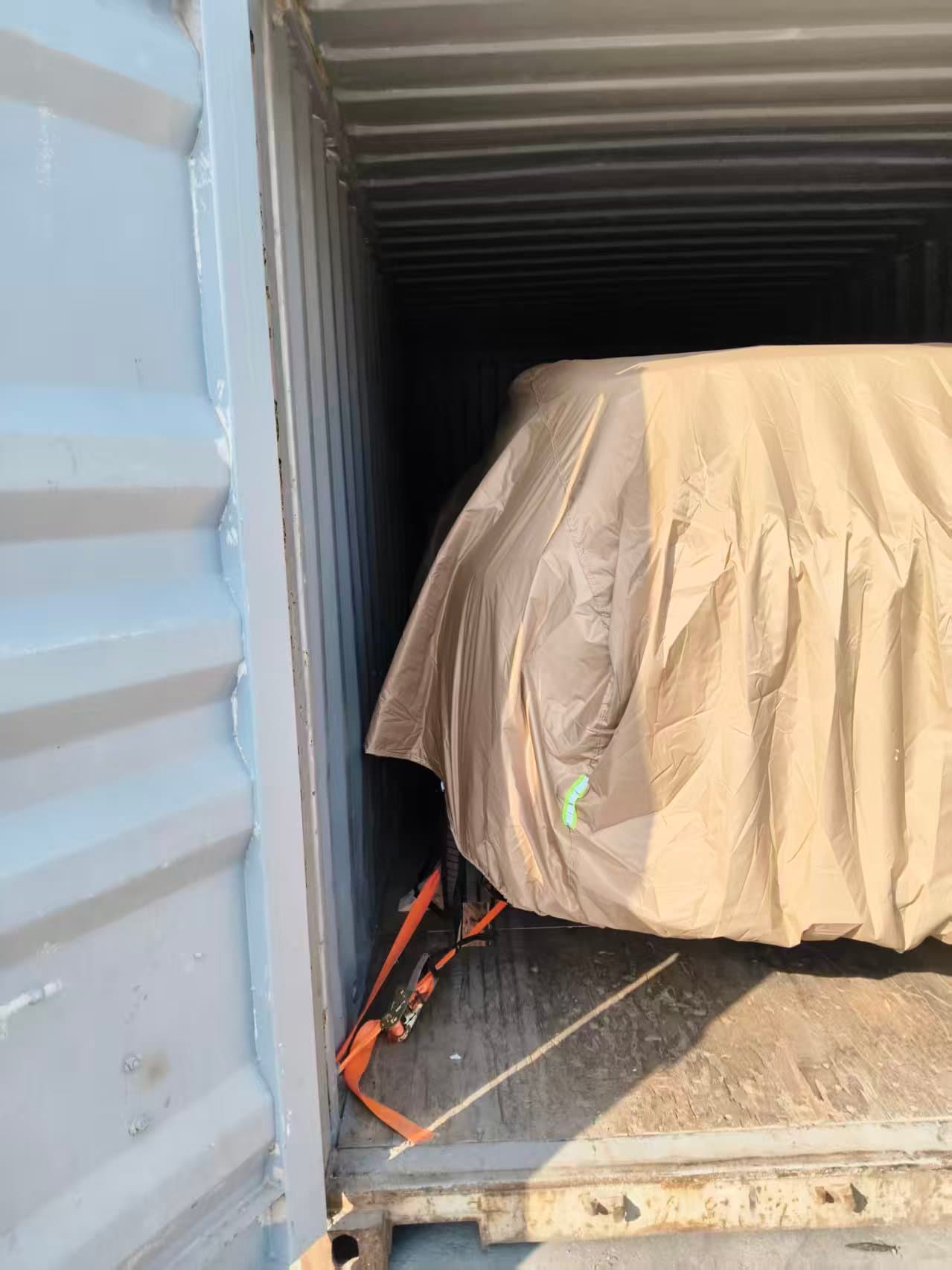
The supplied car cover was to be used after inspection during storage, then again after container loading. Operational photographs were to be shared internally. The photograph below records the covered vehicle and a visible lashing detail after loading. Warehousing and loading were supported by a partner facility.
For an unreleased exhibition vehicle, these are not secondary requests. They describe how the client expects the vehicle to be treated. A clear discussion about protection, handover records and feedback gives substance to the forwarding relationship.
05
Trust includes knowing what stays private.
The vehicle had not launched when it shipped. The client expressly required photographs and video to remain confidential, so operational feedback during the assignment was an internal matter—not a promotional opportunity.
I am sharing this story several months after the model’s launch. What can be shared is the business process and operational experience; the commissioning forwarder, vehicle identifiers and internal documents remain private. For me, taking responsibility for an important shipment also means respecting the client’s arrangements for its information.
06
Start the next exhibition shipment with a conversation.
If you are a manufacturer, exporter or overseas forwarder planning a vehicle shipment from Shanghai, bring the cargo details and the event timetable into the same conversation.
Share the model and propulsion type, destination port, exhibition date and latest acceptable port-arrival date. Tell me who will handle the destination leg. From there, we can discuss the documents, sailing options and handover requirements that need attention before the vehicle moves.
When does your exhibition vehicle need to leave?
Share the vehicle details, destination port and event date. Let’s discuss the shipping conditions and timeline before arranging the next step.